2026 How to Choose the Right Pillow Block Bearing 10mm for Your Project?
Navigating the world of "Pillow Block Bearing 10mm" requires a keen understanding of various factors involved in selection. Industry expert John Smith once stated, “The right bearing can significantly affect your project's efficiency.” This insight highlights the importance of making informed choices.
When selecting a pillow block bearing, consider your project’s specific requirements. The size, load capacity, and lubrication type are critical elements. Many people overlook the impact of these factors, leading to performance issues. A common problem is mismatching bearings with their applications.
Observe the details closely. Evaluate material quality and design characteristics. Remember, a "Pillow Block Bearing 10mm" must fit perfectly within your system. Poor choices can lead to increased downtime and maintenance costs. Understand that even minor details matter in the long run. Making thoughtful selections can save significant hassle down the road.
Understanding Pillow Block Bearings and Their Applications
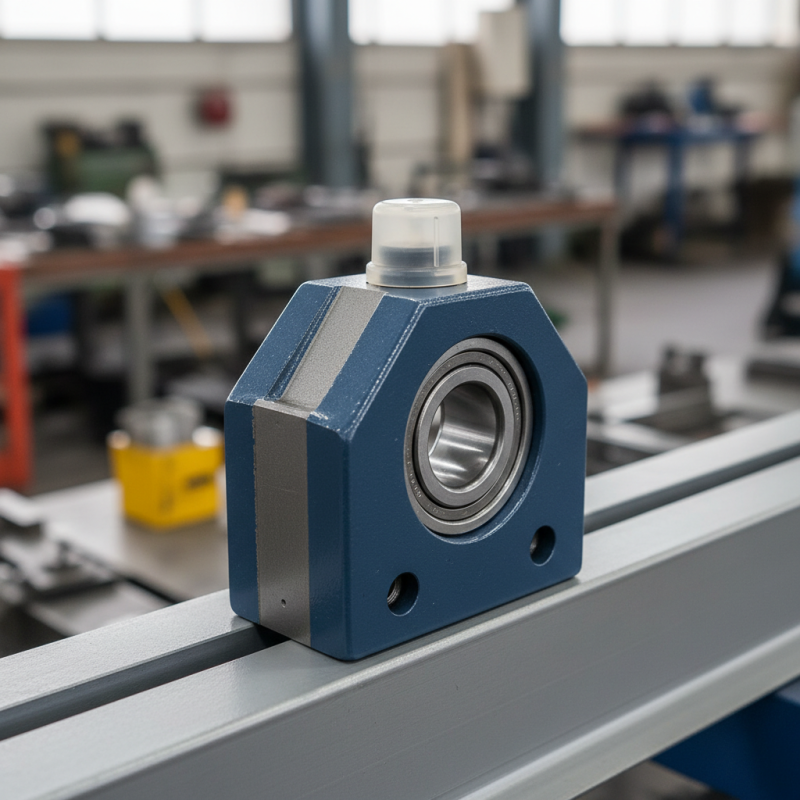
Pillow block bearings are essential components in many mechanical systems. They provide support for rotating shafts, helping to reduce friction. These bearings come in various sizes, including 10mm options. Understanding their design and function is crucial for making the right choice.
Choosing the right pillow block bearing involves considering several factors. First, assess the load it must support. If the load is too heavy, a standard bearing might wear out quickly. Likewise, the material of the housing can impact its durability. Metal housings generally withstand more stress than plastic versions.
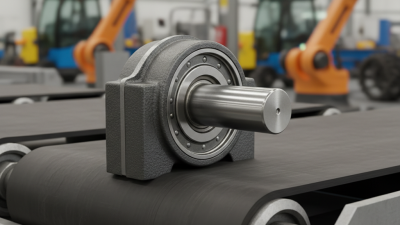
Applications for pillow block bearings are diverse. They're used in fan assemblies, conveyor systems, and agricultural machinery. However, installation can be challenging. Misalignment during setup can lead to premature failure. Regular maintenance is necessary to ensure long-lasting performance. It's vital to analyze performance and make adjustments as needed.
Key Factors to Consider When Choosing a 10mm Pillow Block Bearing
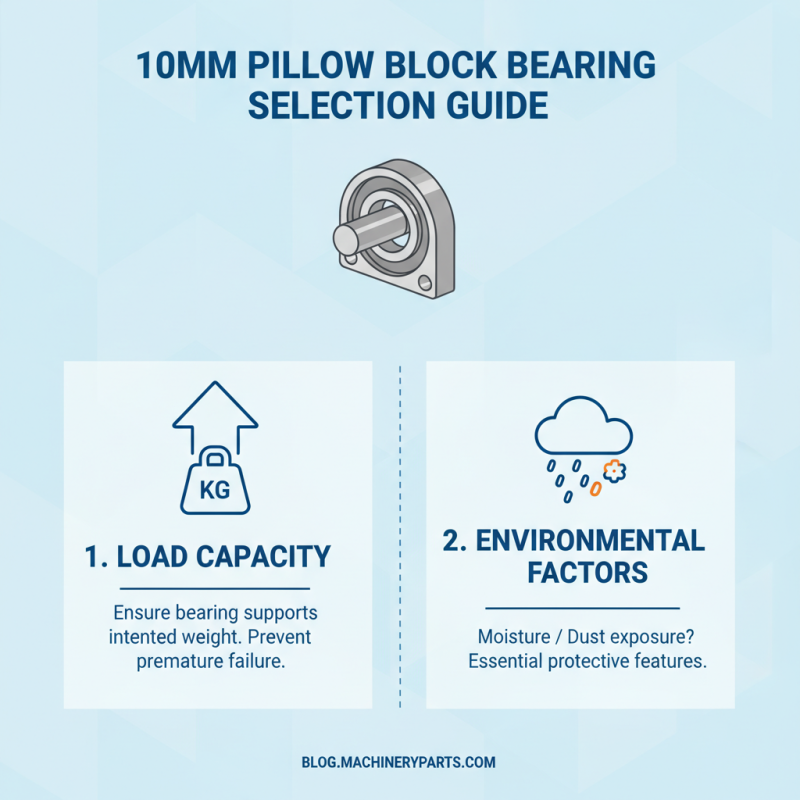
When selecting a 10mm pillow block bearing, there are several key factors to consider. First, think about the load capacity. The bearing needs to support the intended weight. Exceeding its limit can lead to premature failure. Be mindful of the environment too. If the bearing will face moisture or dust, protective features are essential.
Next, consider the material used in the bearing. Common choices include steel and plastic. Steel offers strength and durability but can rust without proper treatment. Plastic is lighter and resistant to corrosion but might not handle heavy loads. Take the time to evaluate your project's requirements carefully.
Finally, installation plays a significant role in performance. Ensure proper alignment during setup. Misalignment can cause uneven wear and increased friction. It's easy to overlook these details, yet they significantly impact the bearing's lifespan. Reflect on your choices and how they align with your project's goals.
Comparing Different Types of Pillow Block Bearings for Durability
When selecting a pillow block bearing, durability is a critical factor. Different types of pillow block bearings have varying lifespans, often measured in hours of operation. Data indicates that high-quality materials can enhance service life by up to 30%. For instance, bearings made from chromium steel typically withstand harsher conditions compared to those made from standard steel. This durability is vital for projects that demand long operational periods without failure.
Some pillow block bearings use advanced polymers, providing resistance to corrosion and wear. These bearings can be advantageous in environments exposed to moisture. However, their load-bearing capacity may not match that of traditional metal options. According to recent studies, polymer bearings can achieve 15% less load capacity. It's essential to weigh these factors, especially in load-heavy applications.
The choice between cast iron and plastic housings also impacts longevity. Cast iron can resist higher temperatures but is prone to rust in humid conditions. In contrast, plastic offers corrosion resistance but can deform under pressure. Real-world applications often reveal that making an ideal selection is not straightforward. Each project comes with unique challenges, necessitating careful consideration of the operating environment and required durability.
Installation Guidelines for 10mm Pillow Block Bearings in Projects
When installing 10mm pillow block bearings, a few guidelines can help ensure success. Start by choosing a clean, level surface for installation. Dirt and debris can affect alignment and performance. Verify the dimensions of the mounting holes. They should match the bearings precisely to avoid misalignments.
Before installation, check for any signs of damage to the bearings. Look for rough spots or unwanted movement. If the bearings feel sticky, they may not perform well. Proper lubrication is vital. Use appropriate grease and follow the manufacturer’s specifications.
Tips: Measure twice, install once. Accurate measurements can save time and hassle. Ensure the bearings are seated evenly in their housings. Any tilt can lead to premature wear. Pay attention to the torque specs while tightening. Over-tightening can cause unnecessary strain.
In some cases, the installation process might not go as planned. Take a moment to reassess if things feel off. Adjustments may be necessary to perfect the setup. This reflection can lead to better outcomes in future projects.
Maintenance Tips for Optimal Performance of Pillow Block Bearings
Pillow block bearings are essential in various applications, and proper maintenance can extend their lifespan.
Regular inspection is key. Look for signs of wear or damage. Examine the housing, shaft, and seals closely. If you notice any unusual noises or vibrations, it may indicate a problem. Address these issues promptly to prevent further damage.
Lubrication plays a crucial role in maintaining pillow block bearings. Ensure they are properly lubricated according to the manufacturer's specifications.
Over-lubrication can lead to saturation, while under-lubrication can cause friction.
Both scenarios can result in premature failure. Installing a reliable lubrication system can simplify this process.
Cleaning is another important aspect that should not be overlooked. Dust and debris can accumulate over time, affecting performance.
Regularly clean the bearings and their surroundings. Utilize appropriate cleaning agents that do not harm the components. Lastly, monitor the operating temperature.
Elevated temperatures often suggest an issue that requires immediate attention. Taking these maintenance tips seriously can help you achieve optimal performance in your projects.