How to Choose High Speed Pillow Block Bearings for Efficiency?
High Speed Pillow Block Bearings play a crucial role in various industrial applications. Selecting the right bearing can significantly enhance machinery efficiency and longevity. According to recent industry reports, improper selection accounts for over 30% of mechanical failures in rotating equipment. Thus, understanding the specifications of High Speed Pillow Block Bearings is essential.
When choosing these bearings, consider factors such as load capacity, speed rating, and material. The right choice can lead to reduced downtime and maintenance costs. For instance, high-quality bearings can lower friction and improve energy efficiency by up to 15%. However, not all manufacturers provide the same level of quality.
While evaluating options, be wary of inferior products. Some may look fine on the surface but have hidden flaws. It’s vital to prioritize suppliers with a solid reputation. Industry standards and certifications should guide your selection. Balancing performance and cost can be challenging but is necessary for sustainable operations.
Understanding High-Speed Pillow Block Bearings
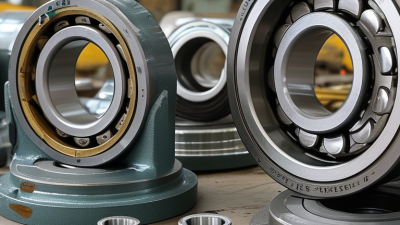
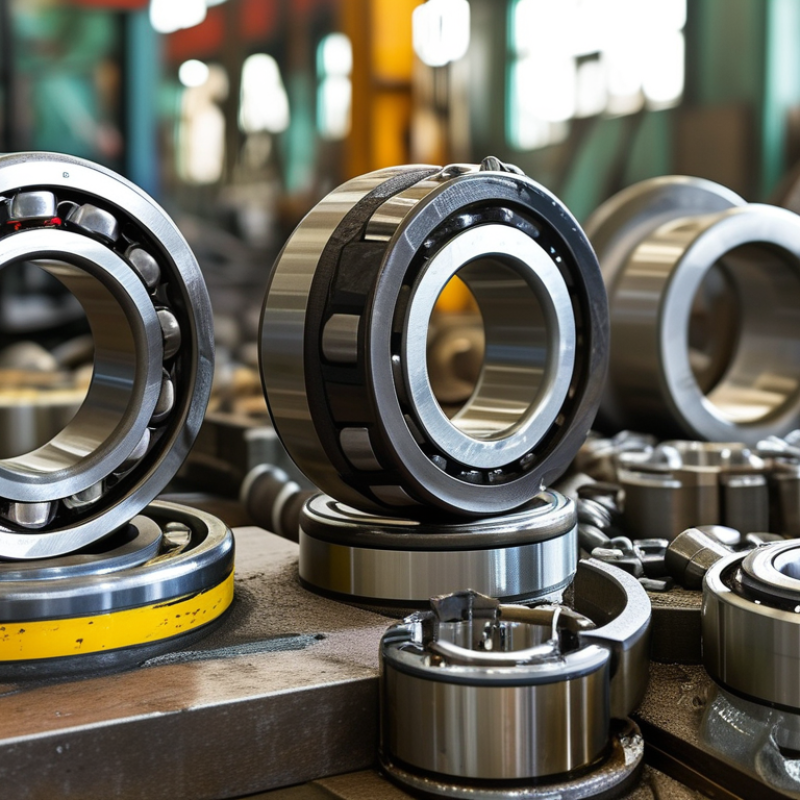
High-speed pillow block bearings play a crucial role in various industries. These bearings support rotating shafts, ensuring smooth movement. Understanding their design and materials can greatly enhance performance. High-speed applications require careful selection. Factors like load capacity and speed ratings need consideration.
These bearings often feature enhanced lubrication systems. They reduce friction, allowing for higher operational speeds. The choice of materials, such as engineered plastics or high-grade steel, matters. These materials handle the stresses from rapid movement. However, not all applications require the same specifications. Evaluating specific needs can lead to better efficiency.
Sometimes, manufacturers overlook the importance of precise installation. Misalignment can lead to premature wear. Operators must regularly check alignment and maintenance schedules. This step is often neglected but could prevent costly downtime. Understanding the nuances of high-speed pillow block bearings is essential for successful application.
How to Choose High Speed Pillow Block Bearings for Efficiency?
| Feature |
Description |
Efficiency Impact |
| Material Type |
Made from high-quality steel or stainless steel for durability |
High corrosion resistance and longevity enhance operational efficiency |
| Load Capacity |
Rated for axial and radial load capacities |
Choosing the right capacity can minimize wear and optimize performance |
| Speed Rating |
Designed for specific RPM ranges to prevent overheating |
Ensures reliability and maximizes effective rotation |
| Bearing Type |
Different configurations like ball bearings or roller bearings |
Each type has unique benefits influencing load and speed capabilities |
| Sealing Type |
Options include rubber seals or metal shields |
Effective sealing prolongs life by reducing contamination |
| Grease Compatibility |
Compatible with various lubricants for different applications |
Proper lubrication increases efficiency and reduces friction |
Key Factors Influencing Efficiency in Bearing Selection
When selecting high-speed pillow block bearings, several key factors can greatly influence efficiency. One major aspect is load capacity. Ensuring the bearing can handle the specific load requirements is crucial. Overloading can lead to premature failure. Similarly, consider the speed rating. Each bearing has an optimal speed limit. Exceeding this can cause overheating and increased wear.
Another important factor is material choice. Common materials include steel and composite. Steel offers strength but may have higher friction. Composites, while lighter, often have lower load capacities. Choosing the right material depends on the application's demands.
Additionally, lubrication plays a vital role. The right lubricant can reduce friction and heat generation. However, improper lubrication can lead to more problems than solutions. Regular maintenance is also essential for long-term efficiency. Without proper care, even the best choices may fail. Understanding these factors can help make informed decisions, leading to better performance overall.
Material and Design Considerations for High-Speed Applications
When selecting high-speed pillow block bearings, material and design significantly influence performance. Traditional bearing materials often struggle with heat generation. For high-speed operations, steel and ceramic composites have gained popularity. Reports indicate that ceramics can withstand temperatures beyond 1,200°F. In contrast, steel typically reaches around 600°F. Heat resistance enhances durability, ensuring reliability in demanding environments.
Design aspects, like internal geometry, also play a crucial role. Complex shapes minimize friction and maximize load capacity. According to industry studies, optimized cage designs reduce effective rolling resistance by up to 20%. Furthermore, higher precision in manufacturing can lead to smoother operation. Many users overlook this detail, which can significantly impact overall efficiency.
Choosing the right lubricant is vital, too. Grease and oils vary widely in their operational characteristics. For high-speed applications, low-viscosity synthetics often outperform traditional options. They provide better lubrication under shear stress, increasing overall lifespan. However, manufacturers must carefully assess compatibility with bearing materials. Often, a mismatch can lead to premature failure, an expense not easily justified.
Maintenance Practices to Enhance Bearing Longevity
Proper maintenance of pillow block bearings is crucial for maximizing their lifespan and operational efficiency. Regular inspections are essential. Check for signs of wear and corrosion. Even minor issues can develop into more significant problems. Keeping the bearings clean reduces the risk of dirt and moisture intrusion. This is especially important in harsh environments.
Lubrication plays a key role in the longevity of your bearings. Use the right type of lubricant and apply it consistently. Over-lubrication can cause buildup and overheating. Insufficient lubrication leads to increased friction, which can damage the bearings.
Tips: Regularly schedule maintenance. Create a checklist to track inspection and lubrication intervals. Always train staff on best practices. Effective communication within the team can prevent oversight.
Watch for unusual noises or vibrations during operation. Addressing these signs promptly can save time and resources later on. Document all maintenance activities. This practice builds a reliable history that aids in identifying trends and potential future issues.
Common Applications and Performance Metrics of Pillow Block Bearings
When selecting pillow block bearings, understanding their common applications is crucial. These bearings are typically used in conveyor systems, agricultural equipment, and industrial machinery. Their design allows for easy installation and efficient alignment. As a result, they perform well in high-speed operations. The right choice can enhance overall system efficiency.
Performance metrics play a vital role in evaluating pillow block bearings. Key factors include load capacity, speed rating, and temperature tolerance. A bearing should handle the specific loads encountered in its application. If the speed rating is too low, it can lead to premature failure. For instance, a motorized conveyor may require a bearing that can withstand rapid rotations. Neglecting these details can result in costly downtimes and repairs.
Additionally, environmental conditions affect performance. High humidity or exposure to dust can deteriorate bearings quickly. It’s essential to consider the operating environment when selecting your bearings. Regular maintenance checks can further extend their life. However, this step is often overlooked. Being aware of common pitfalls ensures a more efficient bearing selection process.