How to Choose Split Pillow Block Bearings for Your Machinery Needs?
When it comes to selecting the right components for machinery, few parts are as crucial as Split Pillow Block Bearings. According to Dr. John Smith, a leading expert in bearing technology, "Choosing the correct bearing can significantly impact machinery efficiency." This highlights the importance of making informed choices in the bearing selection process.
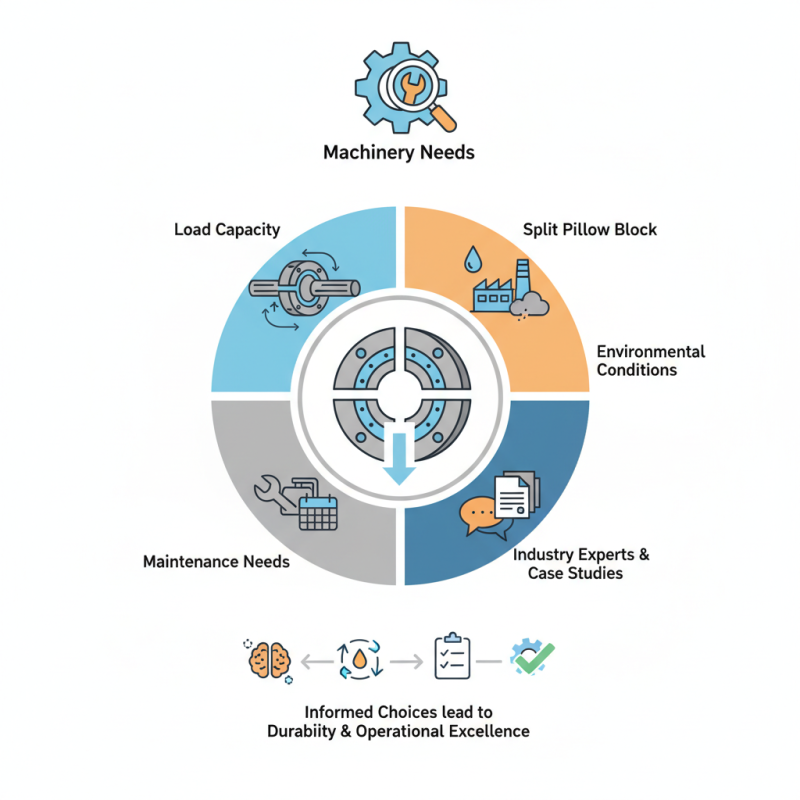
Split Pillow Block Bearings are designed to support rotating shafts while accommodating misalignment. Their versatility makes them suitable for various applications, from manufacturing to agriculture. However, selecting the appropriate split pillow block bearing is not always straightforward. Factors such as load capacity, environmental conditions, and maintenance needs must be carefully considered.
Many engineers overlook these factors, leading to inefficiencies or premature failures. Relying solely on specifications can be misleading. Real-world performance data is essential. By engaging with industry experts and studying case studies, one can gain valuable insights into the most suitable bearings for their specific machinery needs. This knowledge is vital for ensuring durability and operational excellence.
Understanding Split Pillow Block Bearings and Their Applications
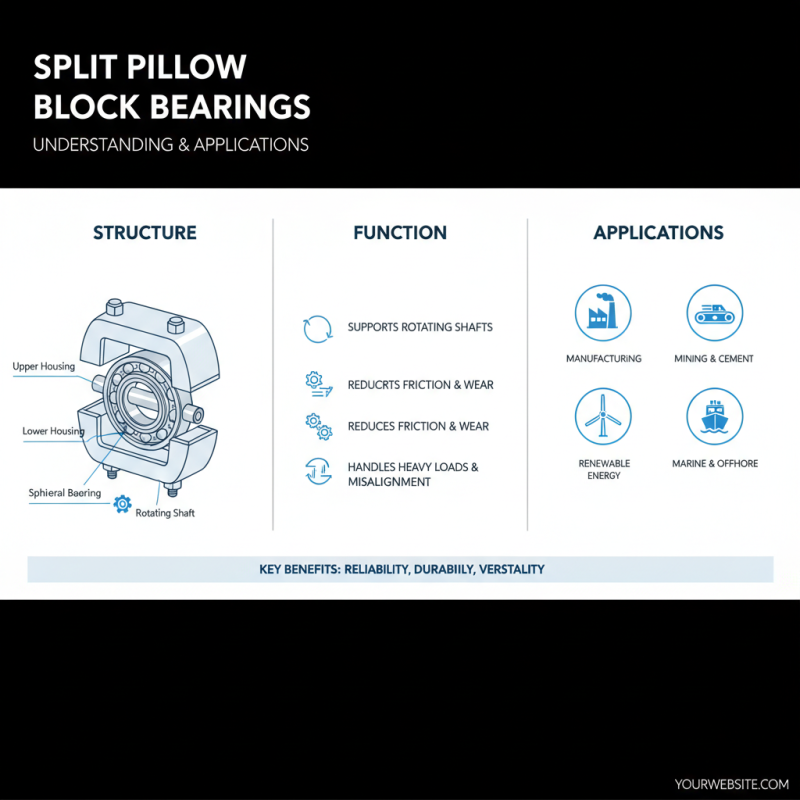
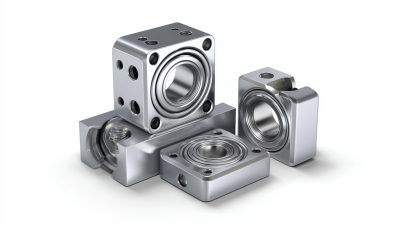
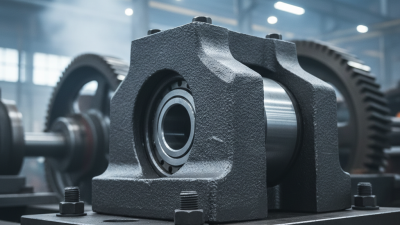
Split pillow block bearings are essential components in many machinery applications. They support rotating shafts, reducing friction and wear. Understanding their structure and function can improve machinery performance. These bearings can handle heavy loads and misalignment, making them versatile in various environments.
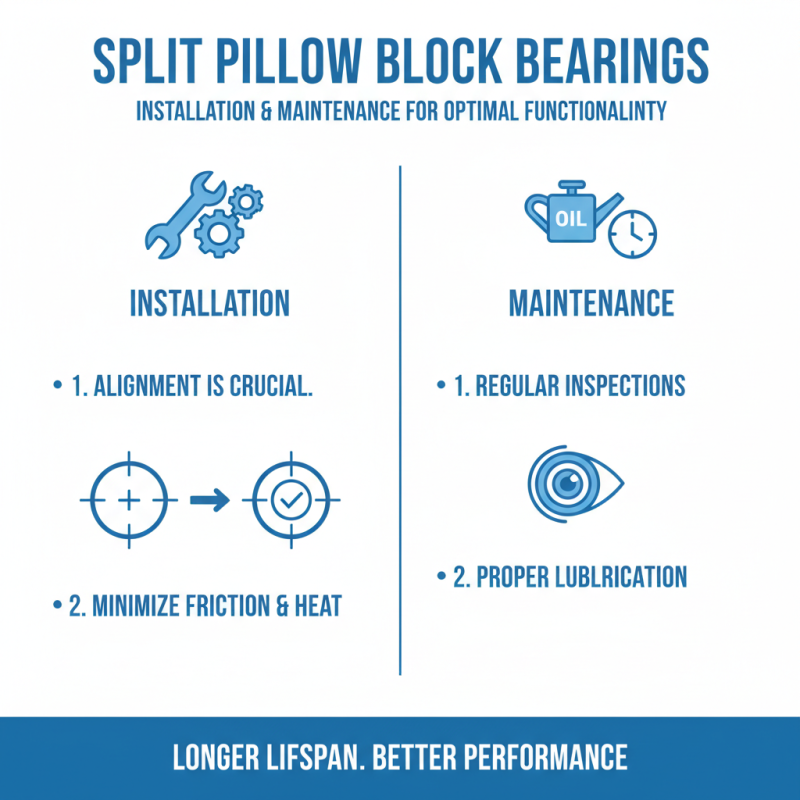
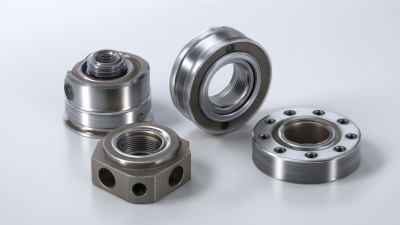
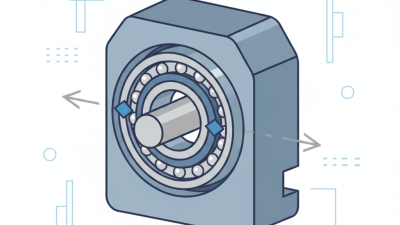
These bearings consist of two parts: a housing and a bearing insert. The split design allows for easier installation and maintenance. In high-speed applications, they provide stability and reduce vibration. However, improper selection may lead to premature failure. It’s critical to assess load capacity, speed ratings, and environmental conditions. Users must often reflect on their specific needs.
Opting for split pillow block bearings involves thoughtful consideration. Materials, such as cast iron or thermoplastics, affect performance. It’s vital to examine lubrication methods, as they influence lifespan. While there are many options, finding the right fit is not always straightforward. Each application demands a tailored approach, and sometimes users overlook important specifications.
Identifying the Key Specifications for Your Machinery Needs
When selecting split pillow block bearings, understanding key specifications is crucial for optimal performance. The load capacity, for instance, is vital. Data shows that inadequate load capacity can lead to failures. Approximately 35% of machinery downtime stems from bearing issues. Evaluating the expected load helps ensure appropriate choices.
Another important factor is the material of the bearings. Common materials include cast iron and steel. Cast iron offers excellent vibration dampening. Conversely, steel typically provides higher strength. Choosing the wrong material can result in premature wear. Studies indicate that misalignment almost doubles the likelihood of bearing fatigue over time, thus emphasizing the need for precision.
The operating temperature range also must be assessed. Bearings can fail if the temperature exceeds recommended limits. Research indicates that 40% of bearing failures occur due to heat. Ensuring compatibility with environmental conditions is essential. Each application has unique requirements. An accurate assessment of these key specifications will greatly improve reliability. Making an informed choice can significantly extend equipment lifespan.
Evaluating Material and Design Options for Durability
When choosing split pillow block bearings, material and design are crucial for durability. The right material ensures longevity under various load conditions. Common materials include cast iron and stainless steel. Cast iron is sturdy but may corrode. Stainless steel resists corrosion but can be more expensive. Evaluate these options based on your specific operating environment.
Design plays a significant role too. The bearing should accommodate misalignment and vibration, which are common in machinery. Certain designs also allow for easier maintenance, thus prolonging service life. However, complex designs might complicate installation. Consider whether simplicity is more beneficial for your application.
Ultimately, choosing the right combination of material and design directly impacts performance. An informed choice can lead to increased efficiency and reduced downtime. Reflect on past experiences with bearings. What worked? What didn’t? Addressing these questions can guide better decisions in future applications.
Assessing Load Capacity and Performance Requirements
When selecting split pillow block bearings, understanding load capacity and performance requirements is crucial. Load capacity varies across applications. For example, standard bearings typically support radial loads ranging from 1,000 to 20,000 pounds. It’s essential to match the bearing with the machine's specific needs. Exceeding the load capacity can lead to premature failure.
Consider analyzing the operating conditions. Temperature, lubrication, and rotation speed affect performance. High-speed applications may require specialized materials. Research shows that a well-chosen bearing can significantly improve machinery efficiency, reducing downtime by as much as 30%. Proper assessment ensures longer service life and optimal functionality.
**Tips:**
Choose bearings that reflect your machinery's specific load requirements. This avoids unnecessary complications. Regularly review load data and maintenance routines. Addressing these factors helps maintain system reliability and performance.