Why Choose Stainless Steel Bearings for Your Applications?
In the realm of engineering and machinery, stainless steel bearings are gaining popularity. Renowned expert Dr. John Smith, a leading figure in the bearing industry, emphasizes their benefits: "Stainless Steel Bearings offer unparalleled resistance to corrosion and wear, making them ideal for various applications." This statement underscores a significant advantage of these components. Their durability shines in environments where exposure to moisture and chemicals is common.
Many industries favor stainless steel bearings for their longevity and reliability. These bearings withstand harsh conditions while maintaining performance. However, some applications may not justify the higher cost of stainless steel over traditional materials. It is essential to assess the specifics of each project. Perform a thorough cost-benefit analysis to ensure optimal choices are made.
Organizations need to be mindful of their unique needs. Stainless steel bearings could be perfect, yet not in every situation. Each application deserves careful consideration. Balancing quality and expense remains a critical challenge. The pursuit of the best solution often leads to innovations, pushing the boundaries of what is possible.
Understanding the Composition of Stainless Steel Bearings
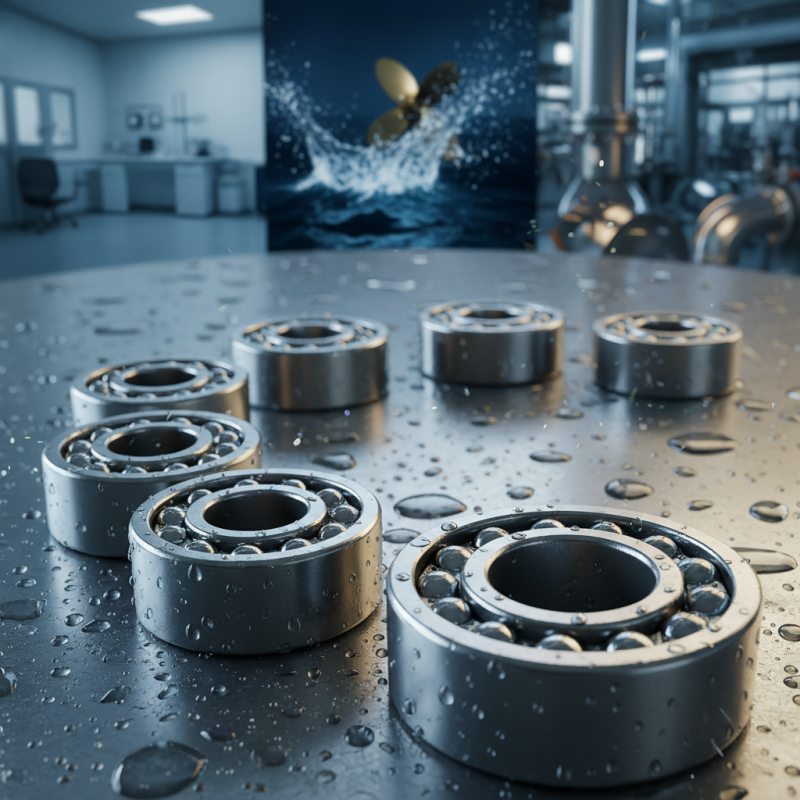
Stainless steel bearings have gained popularity due to their composition. Made primarily from iron, chromium, and nickel, these bearings exhibit remarkable resistance to corrosion. According to industry reports, over 80% of stainless steel bearings outperform standard carbon steel in harsh environments. The chromium content creates a protective oxide layer, enhancing durability.
In various applications, understanding the grade of stainless steel is crucial. For instance, AISI 440C, a high-carbon variety, offers an improved hardness. It is favored in high-load scenarios. Yet, this increased hardness may result in brittleness. Balancing these properties can be challenging. On the flip side, AISI 316 provides superior corrosion resistance due to its molybdenum content, making it suitable for marine applications, though it might be softer.
While stainless steel bearings boast many benefits, they are not without their drawbacks. For example, their cost can be significantly higher than other materials. Some users have reported that, despite their initial investment, wear can occur more rapidly in specific applications. This discrepancy requires careful evaluation. Maintenance routines may also need to be adjusted to maximize the lifespan and performance of these bearings.
Advantages of Stainless Steel Bearings Over Other Materials
Stainless steel bearings are gaining popularity in various applications. Their resistance to corrosion is a primary advantage. According to a report by Market Research Future, the stainless steel bearing market is projected to witness significant growth by 2025, mainly due to these properties. These bearings hold up well in harsh environments, unlike their counterparts made from other materials. This durability can reduce maintenance costs.
Used in everything from automotive to aerospace, stainless steel bearings excel under stress. They can operate efficiently at high temperatures, often under extreme loads. Performance data shows that they can sustain load capacities of up to 25% higher than standard carbon steel bearings. This strength means fewer replacements and a longer lifespan, adding real value over time.
**Tips**: When selecting bearings, consider the operational environment and load conditions. Ensure you choose the right grade of stainless steel for your application. Sometimes, a cheaper option might seem appealing, but it could lead to higher long-term costs due to frequent replacements or maintenance. Evaluating all options thoroughly is crucial.
Common Applications of Stainless Steel Bearings in Various Industries
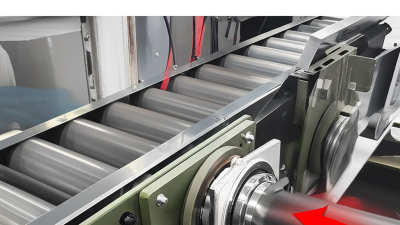
Stainless steel bearings are favored in multiple industries due to their durability and resistance to corrosion. In food processing, for instance, these bearings withstand harsh cleaning agents and moisture. They help maintain efficiency in conveyor systems, ensuring that operations run smoothly. This is crucial, as any failure can lead to food contamination or production delays.
Another common application is in the medical field. Medical devices often require components that can resist bio-corrosive environments. Stainless steel bearings meet this need effectively. They support precision instruments, enhancing their reliability. However, they can be expensive, prompting some manufacturers to seek cheaper alternatives. While cost-saving is important, sacrificing quality can have serious repercussions.
In automotive industry applications, stainless steel bearings contribute to increased safety and performance. They are used in various components, including engines and transmissions. Despite their advantages, some products still struggle with lubrication issues over time. Regular maintenance is essential yet often overlooked by users. This oversight can compromise the longevity of the bearings.
Common Applications of Stainless Steel Bearings in Various Industries
| Industry |
Application |
Bearing Type |
Benefits |
| Food and Beverage |
Processing Equipment |
Stainless Steel Ball Bearings |
Corrosion resistance, Easy to clean |
| Medical Equipment |
Surgical Tools |
Stainless Steel Angular Contact Bearings |
Hygienic design, High precision |
| Marine |
Boat Trailers |
Stainless Steel Deep Groove Bearings |
Saltwater resistance, Durability |
| Automotive |
Electric Motors |
Stainless Steel Spherical Bearings |
High load capacity, Low maintenance |
| Conveyor Systems |
Load Handling |
Stainless Steel Rod End Bearings |
Versatile, High performance |
Maintenance Tips for Prolonging the Life of Stainless Steel Bearings
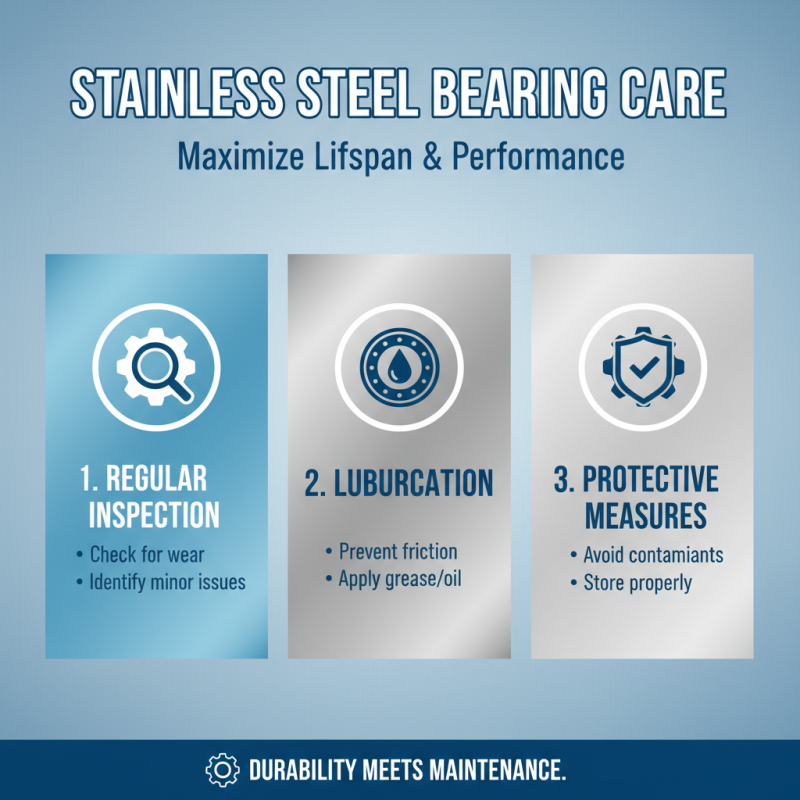
Stainless steel bearings are known for their durability and resistance to corrosion. However, proper maintenance is key to maximizing their lifespan. Regular inspection helps identify minor issues before they escalate. Look for signs of wear or rust. Don’t wait until it’s too late.
Lubrication is essential. Using the right type of lubricant can significantly reduce friction and wear. Consider the operating environment. If it's high humidity, more frequent lubrication may be necessary. Remember, too much grease can attract dirt, so moderation is important.
Cleaning your bearings is often overlooked. Dirt and debris can build up over time. Use a soft cloth to wipe the surfaces. Pay attention to hard-to-reach areas. Sometimes, disassembly is needed for thorough cleaning. This effort may be tedious, but it’s vital for performance. Regular maintenance leads to better reliability and efficiency in your applications. Long-term thinking is crucial here.
Factors to Consider When Selecting Stainless Steel Bearings for Your Needs
When selecting stainless steel bearings, several factors demand attention. The operating environment plays a crucial role. For example, in humid or corrosive spaces, stainless steel resists oxidation better than carbon steel. According to industry data, stainless steel bearings can outperform traditional bearings in longevity by up to 40%. This durability translates into decreased maintenance costs.
Tip: Consider the load capacity. Stainless steel bearings can handle heavier loads better than plastic alternatives. Assess the specific requirements of your application carefully. Understanding motion types is vital too. Bearings experience varied forces that affect performance over time.
Another point to ponder is the cost. While stainless steel may have a higher initial price, the total cost of ownership can be lower due to their lifespan. According to reports, switching from standard to stainless steel can cut overall maintenance costs by 30%.
Tip: Don’t overlook lubrication methods. Proper lubrication enhances bearing life significantly. The choice of lubricant is tied to the environmental conditions of use. This oversight can lead to frequent replacements or failure.
Stainless Steel Bearings Selection Factors
This chart illustrates the importance of various factors to consider when selecting stainless steel bearings for applications. Corrosion resistance is the most critical factor, followed by load capacity and temperature range, emphasizing the key considerations in making a choice.