
How to Choose a 10mm Pillow Block Bearing
Choosing the right Pillow Block Bearing 10mm involves more than matching a 10mm shaft diameter. The bearing must also suit the machine’s load, speed, environment, and installation conditions. A small size does not mean a simple decision.
In practical maintenance work, shaft fit is often checked first. Measure the shaft with a micrometer, especially near worn or damaged areas. A loose fit can create vibration, while excessive tightening may restrict rotation. Check the bearing insert, housing material, locking method, and internal clearance before ordering. Set-screw models are common, but eccentric locking collars may provide more secure positioning in certain applications. The choice depends on movement, direction, and maintenance access.
Consider the operating environment carefully. Dust, water, heat, and chemical exposure can shorten bearing life quickly. Rubber seals may protect against ordinary contamination, while harsher conditions may require improved sealing or corrosion-resistant housing materials. Review the manufacturer’s load ratings and speed limits, rather than relying on appearance alone. Static load, dynamic load, and misalignment capacity are different measurements.
Small errors matter.
Installation also deserves attention. Keep the shaft clean, align the housing accurately, and tighten fasteners evenly. Over-greasing can raise temperature, while insufficient lubrication may produce noise and premature wear. I have seen selections fail because the bearing was technically compatible but poorly supported. That possibility deserves honest consideration. This guide explains how to compare specifications, identify practical risks, and choose a reliable 10mm pillow block bearing for real operating conditions. Always verify the final selection against the manufacturer’s technical data and application requirements.
Understand the Structure and Function of a 10mm Pillow Block Bearing
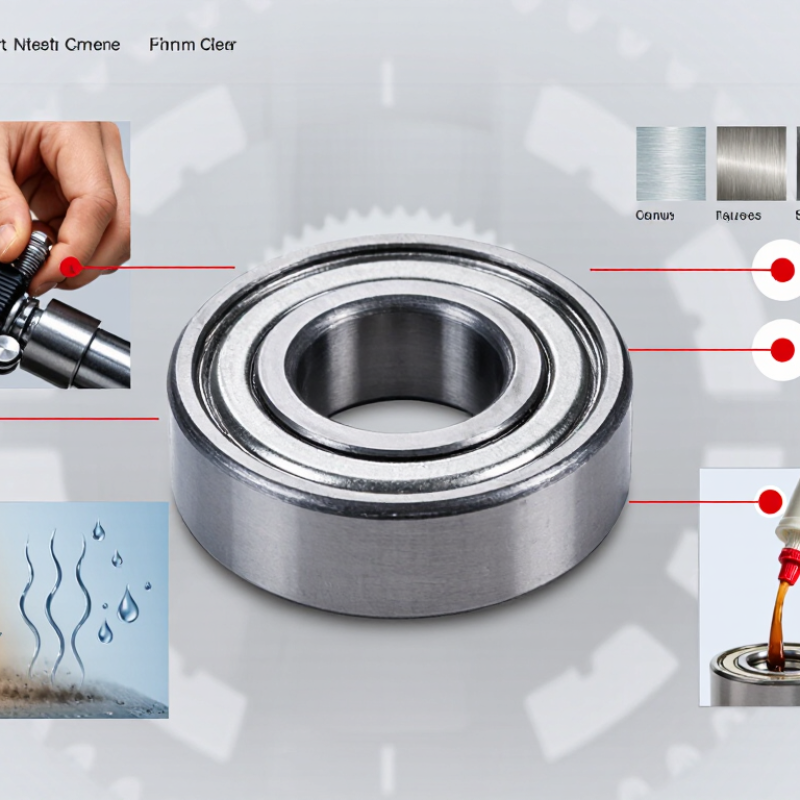
A 10mm pillow block bearing combines a 10mm inner bore, rolling elements, seals, and a rigid housing. The housing usually has a flat base with mounting holes. This shape keeps a rotating shaft supported above a machine surface. It also simplifies installation where a separate bearing seat would be difficult to machine.
Inside, the bearing insert carries radial loads from the shaft. Some designs tolerate slight shaft misalignment through a spherical outer surface. That feature helps on frames with small fabrication errors. However, it cannot correct serious angular misalignment. I have seen vibration increase when the shaft was forced into position. The bearing was not the only problem; the mounting plate was uneven.
Set screws or an eccentric locking collar normally secure the 10mm shaft. Tighten them evenly, then rotate the shaft by hand. It should move smoothly without gritty resistance. Seals retain grease and reduce dust entry, but they are not fully protective in abrasive environments. Check the expected speed, load direction, temperature, and available space before choosing a unit. A compact housing may fit neatly, yet its mounting holes could weaken a thin panel. That detail is easy to miss. During maintenance, inspect looseness, unusual noise, rust, and grease leakage. A small change in sound often appears before visible damage. One practical mistake is over-tightening the fasteners, which can distort the housing and increase friction.
How to Choose a 10mm Pillow Block Bearing - Understand the Structure and Function of a 10mm Pillow Block Bearing
| Selection Dimension | Typical Specification for a 10mm Pillow Block Bearing | Function or Selection Guidance |
|---|---|---|
| Nominal shaft diameter | 10 mm | The bearing bore and shaft diameter must match. A 10 mm bore is intended for a nominal 10 mm shaft. |
| Common housing style | Two-bolt horizontal pillow block | The base supports a rotating shaft and provides two mounting holes for securing the bearing to a flat surface. |
| Bearing insert | Self-aligning insert with 10 mm bore | The spherical outside surface of the insert can compensate for minor mounting or shaft alignment errors. |
| Typical housing material | Cast iron, pressed steel, or thermoplastic | Cast iron suits higher rigidity and general industrial use; pressed steel is lighter; thermoplastic is useful where corrosion resistance and low weight are priorities. |
| Insert material | Chrome steel rings with steel rolling elements | Hardened bearing steel provides the rolling contact surfaces required for normal radial-load applications. |
| Rolling element arrangement | Single-row deep-groove ball bearing insert | Supports radial loads and can accommodate moderate axial loads in both directions, depending on the bearing design and operating conditions. |
| Shaft locking method | Set screws, eccentric locking collar, or adapter-style clamping | Set screws are simple and compact; eccentric collars provide positive locking; clamping methods reduce shaft marking and can improve concentricity. |
| Sealing arrangement | Contact seals on both sides are common | Seals retain grease and help limit the entry of dust and moisture. Select enhanced sealing for dirty or damp environments. |
| Lubrication | Factory-greased for life in many standard designs | Check whether the housing has a grease fitting. Use a compatible bearing grease and avoid over-lubrication. |
| Operating speed | Often suitable for approximately 3,000–6,000 rpm, depending on design | Actual speed capability depends on seal type, grease, load, temperature, shaft accuracy, and the specific insert design. Always verify the rated limiting speed. |
| Static load requirement | Select using the manufacturer’s static load rating and safety factor | Static capacity is important when the shaft is stationary, heavily loaded, exposed to shock, or subject to vibration. |
| Dynamic load requirement | Select using the basic dynamic load rating and calculated bearing life | For continuously rotating equipment, compare the applied radial and axial loads with the published dynamic rating. |
| Mounting surface | Flat, rigid, and adequately supported base | A distorted or uneven mounting surface can misalign the insert, increase vibration, and shorten bearing life. |
| Mounting-hole dimensions | Housing-specific; commonly uses two clearance holes | Do not assume the hole spacing or bolt size from the 10 mm bore alone. Confirm the housing drawing before installation. |
| Temperature range | Often approximately −20°C to +100°C for standard sealed units | The permissible range varies with seals, grease, housing material, and operating speed. Use high-temperature components when required. |
| Environmental protection | Standard sealed design for normal indoor conditions | For water, chemicals, outdoor exposure, or washdown areas, consider corrosion-resistant housing, improved seals, and suitable grease. |
| Recommended inspection points | Noise, vibration, temperature, looseness, and shaft runout | Regular checks can identify insufficient lubrication, misalignment, overloading, seal damage, or improper shaft locking. |
Note: Dimensions, load ratings, speed limits, temperature limits, and mounting details vary by housing and insert design. Confirm the manufacturer’s technical drawing and rating data before final selection.
Related Posts
-
20mm Pillow Block Bearing Showcase at China Import Export Fair?
-
Why Choose Ucp Bearing for Your Industrial Needs?
-
Understanding Pillow Block Bearings: Types and Where to Find Them Near Me
-
Exploring the Science Behind Bearing Manufacturing: Innovations in Bearing Factory Processes
-
What is a Roller Bearing and How Does It Improve Machine Efficiency
-
2026 How to Use a Pillow Block Bearing Puller Effectively?