How to Choose the Right 20mm Pillow Block Bearing for Your Needs?
Choosing the right 20mm Pillow Block Bearing can seem challenging. Various factors influence the decision. Understanding these factors is crucial for reliable performance.
Pillow block bearings offer unique advantages for numerous applications. The size, load capacity, and mounting options are essential considerations. A 20mm Pillow Block Bearing might be ideal for machinery with limited space, but improper selection can lead to failures. Ensuring you have adequate knowledge is vital.
Many manufacturers provide options that vary in quality. Not all bearings can handle the same load or speed. Checking specifications is key. It’s important to rely on reputable sources to make an informed decision. This can prevent costly mistakes in the long run.
Understanding the Basics of 20mm Pillow Block Bearings
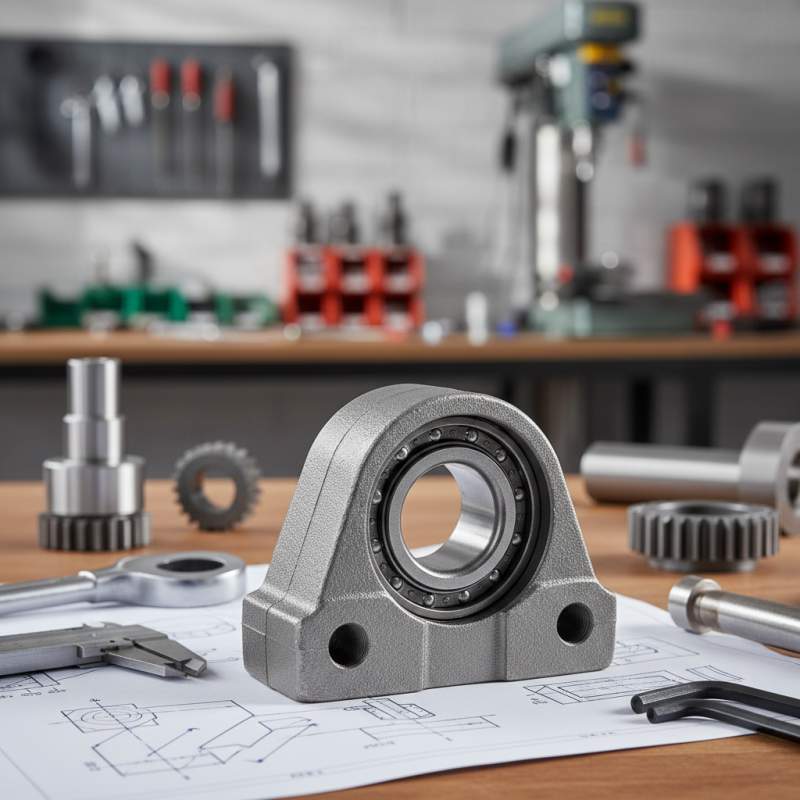
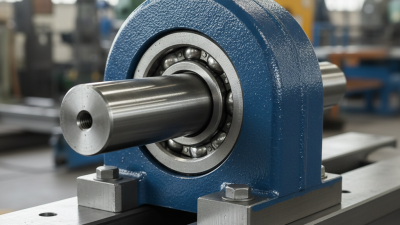
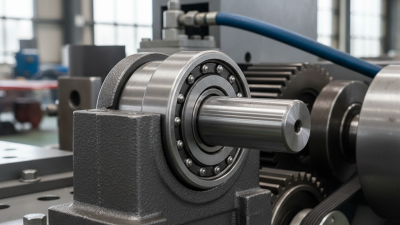
20mm pillow block bearings are essential in various applications, providing support for rotating shafts. Understanding their design and functionality is crucial. These bearings typically consist of a housing that mounts securely and a bearing insert that permits smooth rotation. They are used in machinery, including conveyors, motors, and agricultural equipment. Proper selection can impact performance and longevity.
Many factors influence the choice of a pillow block bearing. Load capacity is vital; exceeding limits can result in premature failure. The operating environment matters too. Dust, moisture, and temperature can affect the bearing’s lifespan. Greasing methods also play a role. Regular maintenance can enhance reliability, while neglecting it may lead to significant issues. Checking dimensions and ensuring compatibility with existing systems is also necessary.
There are common mistakes to avoid when selecting these bearings. Insufficient research can lead to choices that don’t suit specific needs. Taking the time to analyze individual requirements pays off. Balancing cost with quality is important but often overlooked. Assessing vendor reputation helps ensure a reliable purchase. Engaging with industry experts can provide insights, leading to better decision-making.
Performance Comparison of Different 20mm Pillow Block Bearings
This chart illustrates the load capacity of various 20mm pillow block bearings, allowing users to compare which bearing might best suit their needs based on performance specifications. The higher the load capacity, the more suitable it is for heavy-duty applications.
Key Factors to Consider When Selecting a Pillow Block Bearing
Choosing the right 20mm pillow block bearing involves several key factors. First, consider the load capacity. Different applications require bearings that can support varying weights. A bearing that is too small can fail under heavy loads. Look for the specifications that state their load ratings to ensure they meet your needs.
Next, examine the material of the bearing. Common materials include steel and plastic. Steel offers durability but can be prone to rust in wet environments. Plastic bearings are lighter but may not handle heavy loads as effectively. Think about where you will use the bearing. Environmental factors like moisture, temperature, and dust can significantly impact performance.
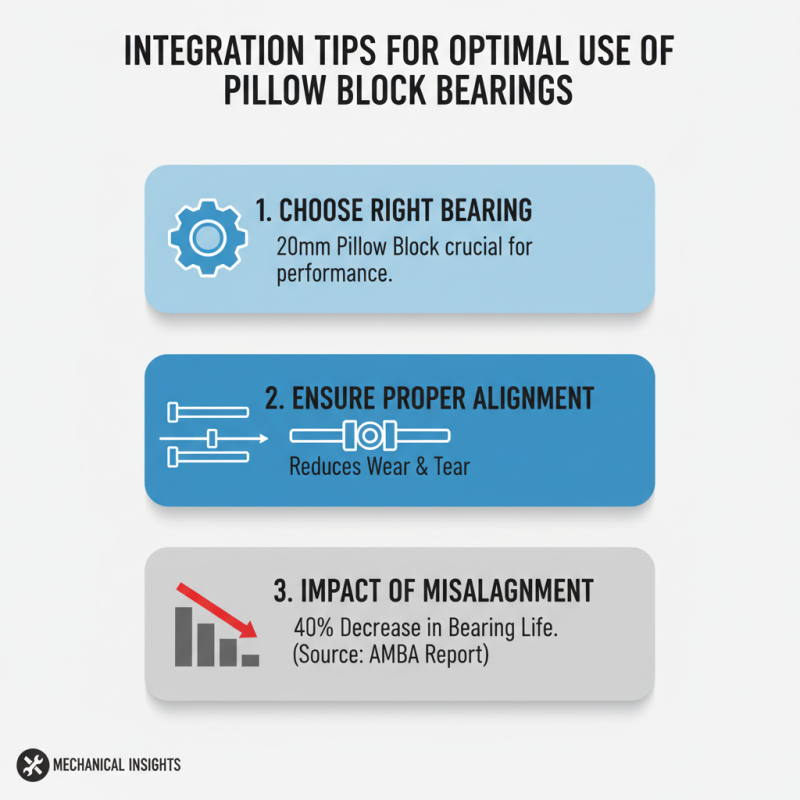
Also, pay attention to the mounting style. Ensure it fits your equipment design. Misalignment can lead to wear and tear over time. Make sure you have the right tools and knowledge for installation. Sometimes, mistakes happen, and bearings can be installed incorrectly. This can result in premature failure. Strive for alignment and correct fit to maximize lifespan.
Types of Materials Used in 20mm Pillow Block Bearings
When selecting a 20mm pillow block bearing, it’s essential to consider the materials used. Common materials include steel, plastic, and stainless steel. Each material has its unique properties and applications.
Steel bearings are strong and durable. They often provide excellent performance under heavy loads. However, they can rust without proper maintenance. On the other hand, plastic bearings are lighter and resistant to corrosion. They can be an ideal choice for applications exposed to moisture. Yet, they may not withstand heavy loads as effectively as steel.
Stainless steel bearings combine strength with corrosion resistance. They are suitable for environments where cleanliness is crucial. Nonetheless, they come at a higher cost compared to their counterparts. Selecting the right material depends on the specific application requirements. Balancing cost, strength, and environment is not always straightforward.
How to Choose the Right 20mm Pillow Block Bearing for Your Needs? - Types of Materials Used in 20mm Pillow Block Bearings
| Material Type |
Corrosion Resistance |
Temperature Range (°C) |
Load Capacity (kg) |
Typical Applications |
| Steel |
Moderate |
-20 to 100 |
1200 |
Machinery, Manufacturing |
| Stainless Steel |
High |
-30 to 150 |
1000 |
Food Processing, Marine |
| Aluminum |
Low |
-40 to 80 |
700 |
Light-duty Applications |
| Plastic |
Variable |
-20 to 60 |
300 |
Chemical Environments |
| Bronze |
Moderate |
-50 to 200 |
800 |
Heavy-duty Machinery |
Analyzing Load Ratings and Performance Specifications
When selecting a 20mm pillow block bearing, load ratings and performance specifications are crucial. Understanding load ratings helps you assess how much weight the bearing can handle. This rating often depends on the operation's conditions, including speed and temperature. For instance, a bearing rated for heavy loads may perform poorly at high speeds. Ensuring compatibility with your application's requirements helps prevent premature failure.
Performance specifications include factors like lubrication type and operating environment. Different lubricants yield varying levels of friction and heat tolerance. Additionally, consider the environment where the bearing will be used. Dusty, wet, or chemically aggressive settings may necessitate special seals or coverings. Making the right choices can greatly enhance the bearing’s reliability.
Taking these aspects into account can be tricky. Many users overlook the impact of operating conditions on performance. Sometimes a bearing may exceed expected load ratings but fail under real-life situations. Reflecting on these variables allows for better decisions and avoids costly mistakes. Understanding your specific needs leads to selecting the best-suited bearing for your application.