2026 How to Choose Self Aligning Pillow Block Bearings?
Choosing the right Self Aligning Pillow Block Bearing can significantly influence machinery performance. Industry expert John Smith, a mechanical engineer, once noted, "The right bearing reduces friction and enhances efficiency." This statement highlights the importance of selecting well-suited components.
Self Aligning Pillow Block Bearings offer remarkable features. They are designed to accommodate misalignment, which can occur during operation. However, the variety of options available can be overwhelming. It's essential to consider several factors during the selection process.
Understanding load capacity, speed ratings, and material types is crucial. It's easy to overlook these details, but doing so can lead to higher maintenance costs and unexpected downtime. Evaluating each bearing's specifications thoroughly can prevent future challenges. Identifying the right Self Aligning Pillow Block Bearing is not just about choice; it's about ensuring reliability in operations.
Understanding Self Aligning Pillow Block Bearings
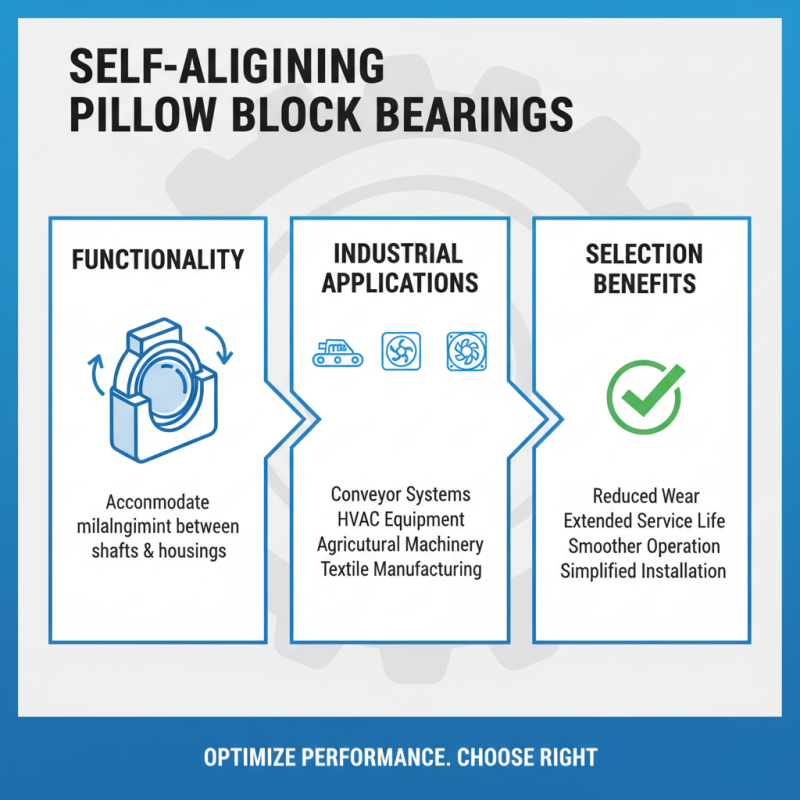
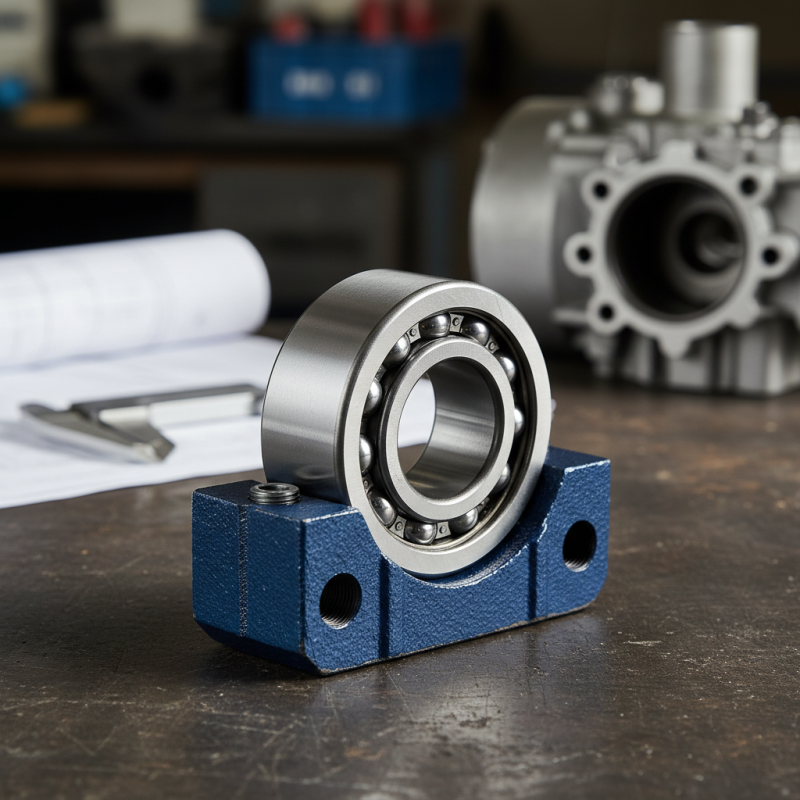
Self-aligning pillow block bearings are crucial in various industrial applications. These bearings are designed to accommodate misalignment between shafts and housings. Understanding their functionality can help in selecting the right type for your needs.
When choosing self-aligning pillow block bearings, consider the operating conditions. A report from the Bearing Manufacturers Association indicates that around 60% of bearing failures stem from aligning issues. This shows the importance of proper selection. These bearings can handle misalignment up to 3 degrees. This feature reduces the risk of wear and extends service life.
Material choice is another critical point. Most bearings utilize high-quality steel or polymer materials. Each material choice impacts the wear resistance and load capacity. The average load capacity of self-aligning pillow blocks is up to 1400 N. This capacity varies with size and material. It's essential to assess your specific application requirements. Sometimes, users may overlook the impact of the load cycle on bearing performance. Using these bearings requires careful evaluation of environmental factors. Not all conditions are ideal, and overlooking this could lead to problems.
Key Factors to Consider When Selecting Bearings
Choosing the right self-aligning pillow block bearings requires careful consideration of several factors. One key aspect is load capacity. Determine the maximum load the bearings will encounter. This will guide your selection to ensure the bearings can handle the stress without failure.
Another critical factor is the operating temperature range. Know the environment where the bearings will be placed. High temperatures can degrade materials faster than anticipated. It's also essential to think about the type of lubrication. Some bearings perform better with grease while others work well with oil.
Material selection should not be overlooked. The right material can enhance durability and reduce wear. Common materials include stainless steel and polymer. However, each comes with its own pros and cons. Make sure to evaluate the specific requirements of your application, as each choice might not fit all scenarios perfectly. Adaptation may be necessary for optimal results.
Materials and Construction Options for Pillow Block Bearings
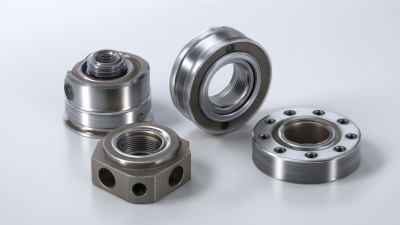
When choosing self-aligning pillow block bearings, material selection is crucial. Options include stainless steel, cast iron, and thermoplastics. Each material offers distinct benefits and limitations. For instance, stainless steel is corrosion-resistant, making it suitable for harsh environments. Cast iron provides excellent durability but may struggle against rust. Thermoplastics are lightweight and resistant to chemicals, yet they may not handle high loads as effectively.
Consider the construction options carefully. Bearings typically come with different features like relubrication systems and seals. A sealed bearing prevents contaminants from entering, prolonging its lifespan. Relubrication systems allow easier maintenance, but they can increase complexity. An investment in high-quality seals can save costs in the long run by reducing wear.
Tip: Always analyze the operating conditions before deciding. Look at the temperature range and potential exposure to dirt or lubricants. Test results from industry reports indicate that proper material choice can affect lifespan by up to 30%. Balancing performance and cost is essential, but excessive focus on price may lead to poor material selection. Reflect on what truly meets your needs.
Sizing and Load Capacity Considerations
Choosing the right self-aligning pillow block bearings involves important sizing and load capacity considerations. Start by determining the type of load your application will encounter. This could range from radial loads to axial forces. Selecting bearings that handle the specific load types is crucial for performance.
Be aware of dimensions. Measure the shaft diameter and ensure compatibility with the bearing. A mismatch can lead to premature wear. You may need specific tools to get accurate measurements. Also, consider the mounting space available. Space constraints can significantly affect your choice.
Tips: Always overestimate load capacity. It’s better to select a bearing that can handle more than needed. This allows for unexpected loads and extends lifespan. Maintain a checklist of ideal specifications before making a purchase.
Load capacity is not just about numbers. Environmental factors affect bearings too. Dust, moisture, and temperature can influence their performance. A bearing might seem perfect on paper but fail in real-world conditions. Be prepared to reassess your choices based on these factors for optimal performance.
Maintenance and Installation Tips for Optimal Performance
Choosing self-aligning pillow block bearings requires attention to both installation and maintenance details. Proper installation is crucial for achieving optimal performance. Ensure the shaft is clean and free of debris before fitting the bearing. Align the bearing with the shaft precisely. Misalignment can lead to faster wear and unexpected failure. Use the correct tools to avoid damaging the bearing during installation.
Maintenance is equally important. Regularly inspect the bearing for signs of wear or damage. Observe noise levels; unusual sounds may indicate a problem. Lubrication should be performed according to the manufacturer’s guidelines. Over-lubrication can lead to excessive heat, while under-lubrication can cause friction.
It’s essential to maintain a schedule for inspections. Setting reminders can help. However, even with diligence, issues can still arise unexpectedly. Keep an eye out for vibration changes, as they can reveal underlying issues. Staying proactive in both maintenance and installation practices will ensure the longevity of self-aligning pillow block bearings.
2026 How to Choose Self Aligning Pillow Block Bearings? - Maintenance and Installation Tips for Optimal Performance
| Dimension |
Specification |
Maintenance Tips |
Installation Tips |
| Inner Diameter (ID) |
20 mm |
Regularly check for lubricant levels. |
Ensure alignment to minimize wear. |
| Outer Diameter (OD) |
40 mm |
Inspect seals for damage periodically. |
Use the correct mounting tools. |
| Width |
25 mm |
Keep the bearing clean and free from contaminants. |
Align the base before securing the bearing. |
| Load Capacity |
2500 N |
Monitor temperature during operation. |
Check for vibrations during initial operation. |
| Speed Rating |
3000 RPM |
Lubricate bearings regularly to maintain performance. |
Ensure proper lubrication is applied before running. |