Top 10 Self Aligning Pillow Block Bearings for Global Buyers?
In today's industrial landscape, the demand for Self Aligning Pillow Block Bearings is rapidly increasing. These components are vital for reliable machinery operation. According to Dr. John Smith, a renowned specialist in bearing technologies, "The precision of Self Aligning Pillow Block Bearings can significantly enhance machinery performance." This highlights the importance of choosing the right bearing for specific applications.
Many global buyers face challenges in selecting the ideal Self Aligning Pillow Block Bearing. Options vary widely in quality and application. An informed choice can prevent mechanical failures and reduce maintenance costs. Experts recommend evaluating specific needs before making a purchase.
As the industry evolves, new technologies emerge, yet some products still lack the reliability needed. Buyers often struggle to balance cost and quality. This factors into making the best decision. Assessing various options is essential for long-term success. Self Aligning Pillow Block Bearings play a key role in achieving efficient operations across various sectors.
Overview of Self Aligning Pillow Block Bearings
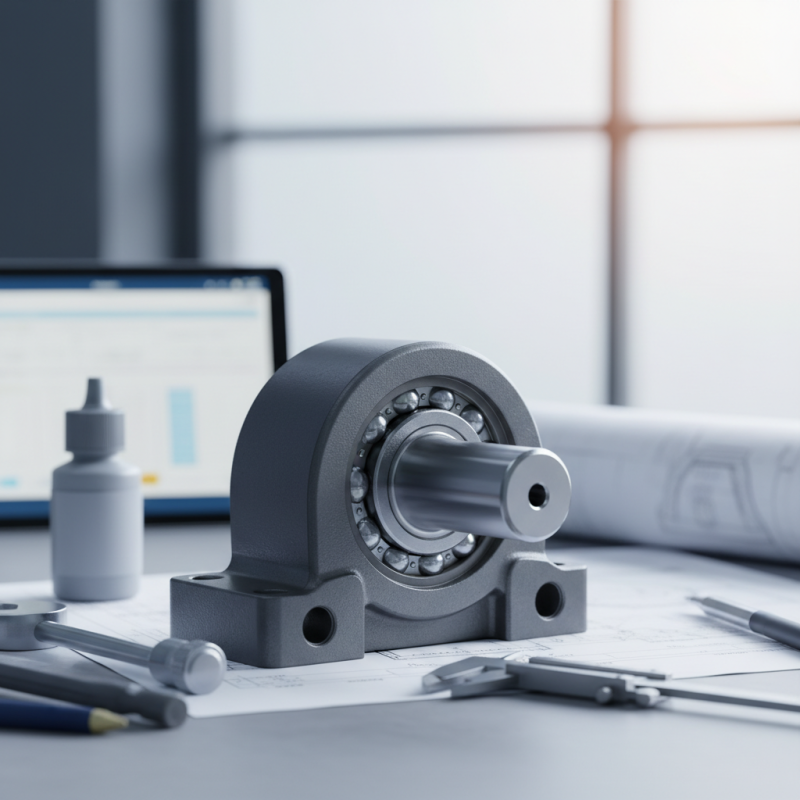
Self-aligning pillow block bearings are essential components in various industrial applications. These bearings come with a unique design that allows for misalignment between the shaft and the housing. This characteristic is crucial in environments where dynamic changes occur frequently. Such misalignment can result from thermal expansion or installation errors. With their self-adjusting feature, these bearings help maintain smooth operation, reducing wear and prolonging the life of machinery.
The construction of self-aligning pillow block bearings includes inner and outer raceways that are shaped to accommodate misalignment. Often made from durable materials, they can resist heavy loads. Their versatile design makes them suitable for different industries, from agriculture to manufacturing. However, improper installation can still lead to failure. Regular maintenance checks are vital to ensure optimal performance. Ignoring small issues may eventually escalate into costly repairs or replacements.
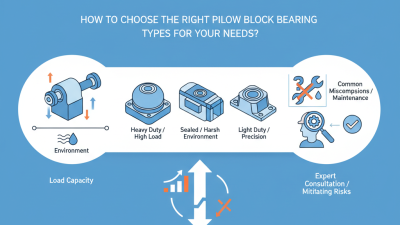
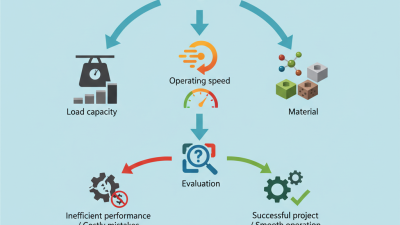
Understanding the specifications of these bearings is important for global buyers. When selecting a bearing, consider its load capacity, speed rating, and environmental conditions it will face. Buyers must also evaluate compatibility with existing equipment. Each application has unique requirements. Thorough research can lead to informed decisions, reducing the risk of downtime in production processes.
Key Features and Benefits of Self Aligning Pillow Block Bearings
Self-aligning pillow block bearings play a crucial role in various industrial applications. They are designed to accommodate shaft misalignment. This feature greatly reduces wear. Industries that rely on these bearings include manufacturing, agriculture, and automotive. According to a report by MarketsandMarkets, the global bearing market is projected to reach $134.6 billion by 2026, emphasizing the importance of such components.
Key benefits of self-aligning pillow block bearings include enhanced durability and ease of installation. They are typically made from high-quality materials, ensuring longevity. Their design allows for a simple alignment process, saving time and labor costs. A study by Research and Markets highlights that 70% of equipment failures are related to misalignment. Therefore, these bearings help significantly in mitigating such failures.
However, not all pillow block bearings are created equal. Selection criteria require careful consideration of load capacity, speed rating, and environmental conditions. Using an inappropriate bearing can lead to increased downtime and maintenance costs. It is essential to assess these factors thoroughly before making a purchase. Ultimately, understanding the nuances of self-aligning pillow block bearings can lead to better operational efficiency.
Top 10 Recommended Brands for Global Buyers
When searching for self-aligning pillow block bearings, quality is vital. The market offers various options, each with unique features. Experienced buyers emphasize durability, ease of installation, and low maintenance. Understanding the specifications helps in making informed choices.
Multiple reputable brands are renowned for their reliability. They provide products that withstand harsh conditions. These options typically have robust housing and high-quality seals. However, not every product guarantees optimal performance. Researching feedback and technical reviews remains essential. Customers sometimes encounter unexpected issues. This experience can lead to learning and better decision-making in future purchases.
Investing in top-rated brands can enhance machinery efficiency. Many users find significant improvements in operational stability. Seek brands with a proven history in bearing technology. Authentic reviews often highlight their strength and weaknesses. Careful consideration of these factors becomes crucial for global buyers.
Comparative Analysis of Performance and Reliability
When selecting self-aligning pillow block bearings, performance and reliability are critical factors. These bearings play a vital role in various industries, ensuring smooth operation in machinery. It’s essential to evaluate their load capacity, speed ratings, and alignment features. A higher load capacity usually indicates better performance under stress, but this can lead to higher wear if not appropriately managed.
Reliability is often linked to materials used in bearings. Stainless steel and high-grade polymers can provide better durability. Regular maintenance can also impact long-term performance. Users need to assess potential drawbacks. Unforeseen alignment issues may lead to premature failure. Therefore, a thorough understanding of installation practices is vital in maximizing bearing longevity.
Beyond materials and load capacity, operating conditions should be considered. Exposure to extreme temperatures or contaminants can compromise bearing functionality. Thus, users must consider their unique applications. Fine-tuning these choices can lead to improved operational efficiency. Balancing performance and reliability remains a common challenge in selecting the ideal self-aligning pillow block bearing.
Top 10 Self Aligning Pillow Block Bearings for Global Buyers
| Bearing Type |
Load Capacity (kN) |
Speed Rating (RPM) |
Material |
Price (USD) |
| Pillow Block Bearing A |
25 |
2000 |
Steel |
150 |
| Pillow Block Bearing B |
30 |
1800 |
Stainless Steel |
175 |
| Pillow Block Bearing C |
20 |
2200 |
Plastic |
100 |
| Pillow Block Bearing D |
40 |
1500 |
Bronze |
200 |
| Pillow Block Bearing E |
35 |
1600 |
Cast Iron |
180 |
Applications and Industries Utilizing Self Aligning Pillow Block Bearings
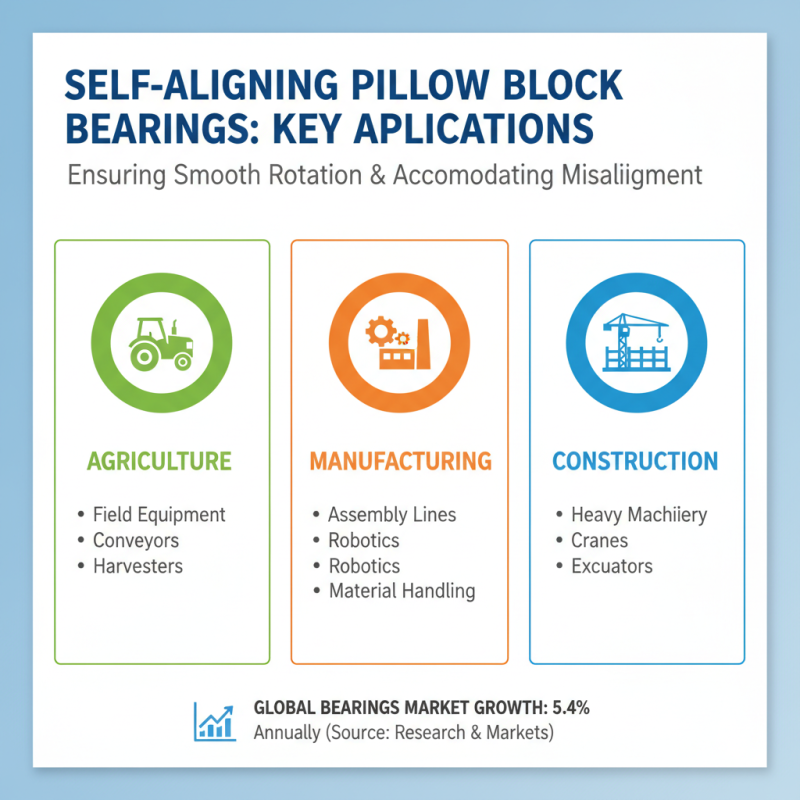
Self-aligning pillow block bearings are critical components in various industries. They accommodate shaft misalignment and ensure smooth rotational motion. These bearings find applications in sectors like agriculture, manufacturing, and construction. According to a report by Research and Markets, the global bearings market is expected to grow by 5.4% annually, reflecting the rising demand in these key industries.
In agriculture, these bearings support machinery like conveyors and harvesters. The need for efficient and reliable equipment often drives the choice of high-quality bearings. For example, a study by the International Journal of Engineering Research highlighted that machine downtime can lead to significant production losses. Utilizing self-aligning pillow block bearings reduces such risks.
Manufacturing also heavily relies on these components. Various machinery, such as milling machines and mixers, benefit from their design. Improper alignment can lead to wear and tear or catastrophic failure. A direct correlation between equipment reliability and bearing quality exists. Therefore, investing in dependable bearings is not just a cost but a necessity for operational efficiency. Bearing failures still occur, often due to overlooked maintenance or poor selection criteria, highlighting the need for continuous improvement in practices.