How to Choose the Right 8mm Pillow Block Bearing for Your Project?
Choosing the right 8mm Pillow Block Bearing is crucial for any engineering project. With the global market for bearings expected to reach $100 billion by 2025, understanding your options is essential. According to industry expert Dr. Jennifer Lane, "Selecting the appropriate bearing can determine both the efficiency and longevity of machinery."
The 8mm Pillow Block Bearing specifically offers a balance of load capacity and compact design. These bearings are widely used in various applications, from robotics to conveyor systems. However, many users overlook critical specifications such as load ratings and materials.
While searching for the right bearing, consider both standard and special features. Some models provide additional sealing for enhanced durability. It's important to reflect on how these choices impact performance. The right 8mm Pillow Block Bearing can streamline operations, while the wrong choice may lead to frequent failures. Always consult reliable data and expert opinions to guide your decision-making process.
Understanding 8mm Pillow Block Bearings and Their Applications
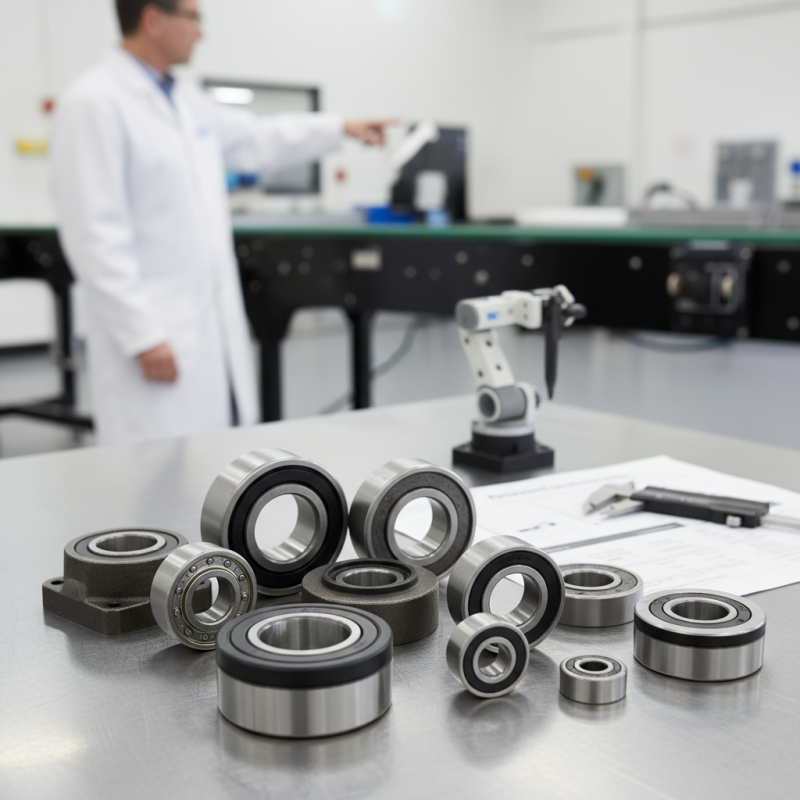
When selecting the right 8mm pillow block bearing for your project, it’s essential to understand their design and applications. Pillow block bearings offer sturdy support for rotating shafts. They can elevate efficiency and precision in machinery. These bearings are beneficial in various applications, from automation to woodworking. Their compact nature makes them easy to install, even in limited spaces.
Different projects may demand specific features from pillow block bearings. Material choice matters. For instance, stainless steel offers corrosion resistance, while plastic may be lighter and less durable. Consider the load capacity. An improper choice can lead to equipment failure. Evaluate the environmental factors too. Humidity or temperature can affect performance drastically.
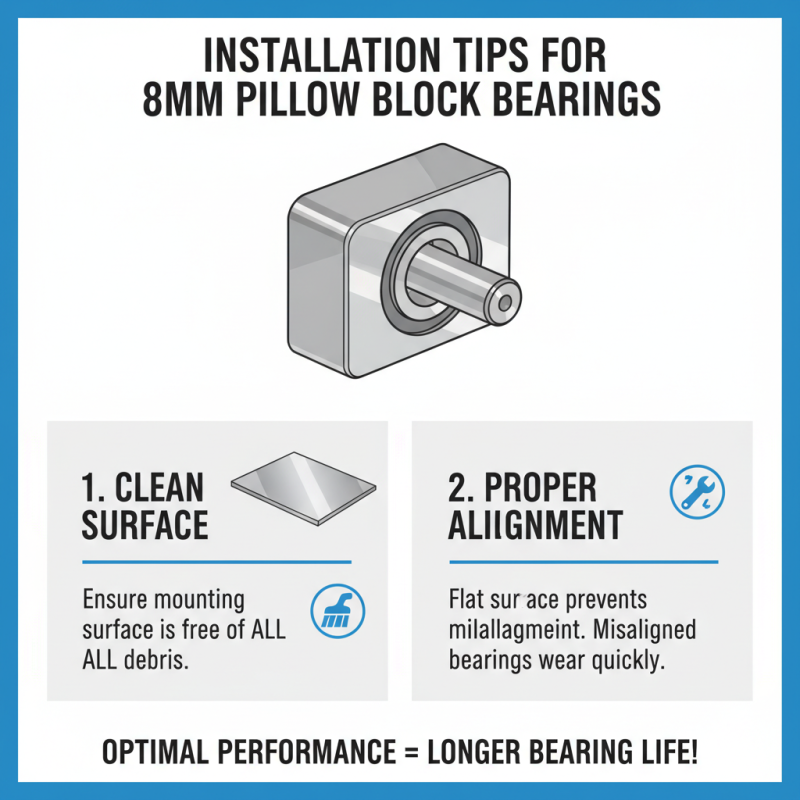
You may still encounter challenges during the selection process. Identifying the right fit can be frustrating. Sometimes, measurements don’t align perfectly. Ensuring proper alignment is critical for reliability. Testing the preliminary setup can save costly failures later. Understanding these nuances can enhance your project's success significantly.
Performance Comparison of 8mm Pillow Block Bearings
This bar chart compares the performance metrics of different 8mm pillow block bearings including load capacity, speed, temperature range, and durability. Selecting the right bearing depends on the specific requirements of your project.
Key Factors to Consider When Selecting an 8mm Pillow Block Bearing
Selecting the right 8mm pillow block bearing involves several key factors. One essential consideration is the load capacity. According to industry reports, bearings must handle specific loads efficiently to ensure durability. An 8mm bearing typically has a load rating ranging from 200 to 400 N. This variance depends on the material and design. Understanding your project’s demands can prevent early failures.
Another crucial factor is the speed rating. Pillow block bearings have different speed capabilities. Many can operate effectively at speeds up to 3,600 RPM. However, exceeding manufacturer specifications can cause overheating and premature wear. These details matter, especially in applications involving frequent start-stop cycles.
Temperature tolerance is also significant. Bearings can operate in various environments, but high temperatures can degrade performance. For instance, operating a bearing above its rated temperature may reduce its lifespan by up to 50%. Proper lubrication and maintenance routines can mitigate some risks, yet not all users prioritize this. Careful planning and research are essential for long-term success.
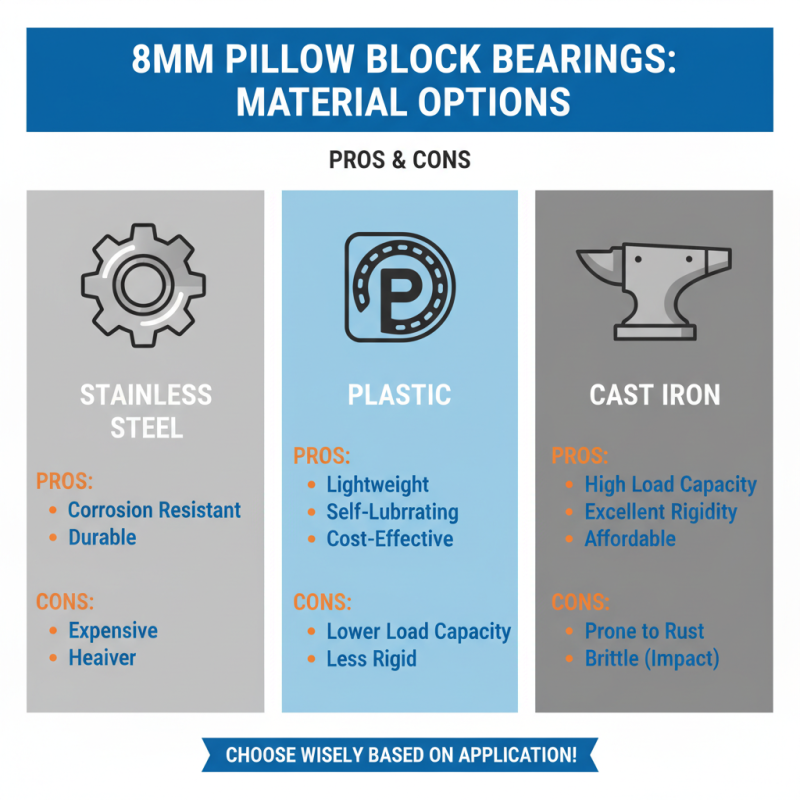
Material Options for 8mm Pillow Block Bearings: Pros and Cons
When selecting an 8mm pillow block bearing, material choice significantly impacts performance. The most common materials are stainless steel, plastic, and cast iron. Each has distinct advantages and drawbacks that should inform your decision.
Stainless steel bearings resist corrosion, working well in moist environments. They offer increased durability but come with a higher price tag. According to industry reports, stainless steel can outperform other materials in extreme temperatures. This makes them suitable for diverse applications, from robotics to food processing. However, their weight could hinder performance in lightweight projects.
Plastic pillow block bearings are lightweight and non-corrosive. They are ideal for applications where rust is a concern. They also tend to be quieter than metal options. However, they may not handle heavy loads as effectively as metal alternatives. Data suggests that while plastic bearings reduce maintenance, wear over time can be a significant drawback.
Tips: When looking for the right bearing, consider your project's specific environment. Think about weight limitations and load capacities. Conducting thorough research on material performance can save headaches down the line. Remember, not every material suits every project, and practicality should guide your choice.
How to Evaluate Load Capacity and Speed Ratings for Bearings
When selecting an 8mm pillow block bearing, evaluating load capacity and speed ratings is crucial. Load capacity indicates how much weight the bearing can support. This is often defined by static and dynamic load ratings. Understanding these values helps prevent premature failure. If the load exceeds the rated capacity, the bearing may wear out quickly or even fail.
Speed ratings also play a significant role in your choice. Each bearing has a maximum operating speed, which ensures efficient performance. Exceeding this limit can lead to overheating and damage. It’s essential to analyze the application's requirements. This evaluation should consider both continuous and intermittent activities.
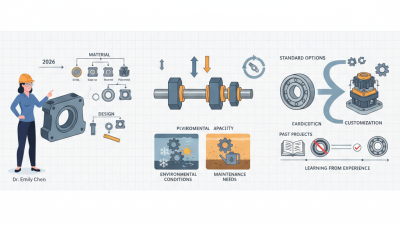
Attention to detail is paramount. Many overlook these factors during selection, leading to costly mistakes. Proper documentation and calculations can enhance reliability. Don't hesitate to revisit previous evaluations if issues arise. Learning from past experiences is a part of improving your process and achieving better outcomes.
How to Choose the Right 8mm Pillow Block Bearing for Your Project? - How to Evaluate Load Capacity and Speed Ratings for Bearings
| Bearing Type |
Dynamic Load Rating (kN) |
Static Load Rating (kN) |
Max Speed (RPM) |
Material |
| Bore Size 8mm |
15 |
9 |
3000 |
Steel |
| Self-Aligning 8mm |
12 |
8 |
2500 |
Stainless Steel |
| Flanged 8mm |
18 |
10 |
4000 |
Polymer |
| Heavy Duty 8mm |
20 |
15 |
2000 |
Bronze |