Welcome to our websites!

Why Are Roller Bearings Essential for Efficient Machinery Performance?

Efficient machinery performance relies heavily on essential components. One such vital element is the roller bearing. These components play a crucial role in reducing friction between moving parts. By providing smooth operation, roller bearings enhance the longevity of machinery.

With a variety of designs available, roller bearings can adapt to different applications. They improve energy efficiency and optimize machine performance. However, their selection requires careful consideration of factors like load capacity and speed. Choosing the wrong type can lead to mechanical failures. This highlights the importance of expertise during the selection process.

Over time, even the best roller bearings can wear out. Regular maintenance and evaluation are necessary to ensure optimal functioning. Engineers must continuously assess their performance. This aspect of engineering emphasizes the significance of roller bearings in machinery. Their impact on productivity cannot be overstated. Properly functioning roller bearings lead to effective operational success and sustainability.
Why Are Roller Bearings Essential for Efficient Machinery Performance?

What Are Roller Bearings and Their Basic Functionality?
Why Are Roller Bearings Essential for Efficient Machinery Performance?

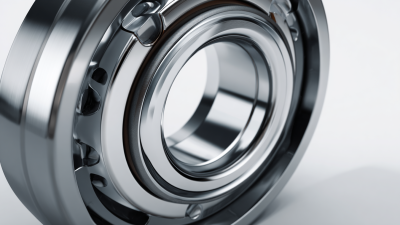
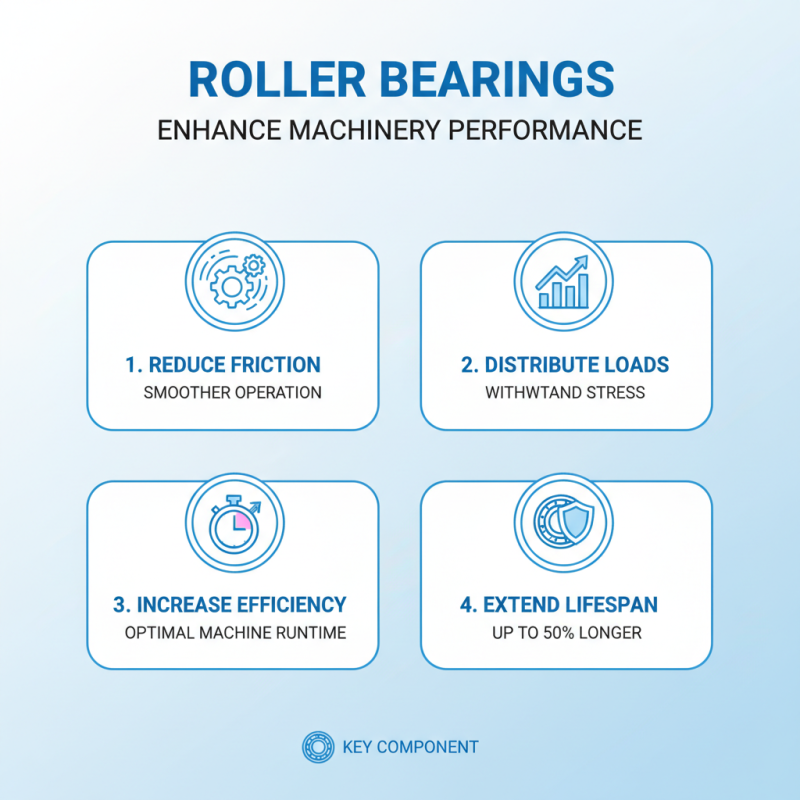
Roller bearings are crucial components that enhance machinery performance. Their primary function is to reduce friction between moving parts. This reduction aids in smoother operation, ensuring machines run efficiently. By distributing loads evenly, roller bearings can withstand significant stress. According to industry reports, using roller bearings can increase machinery lifespan by up to 50%.

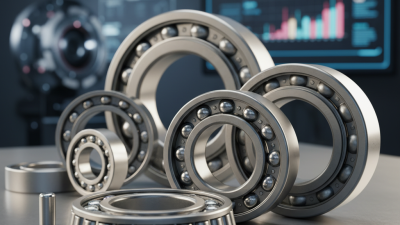
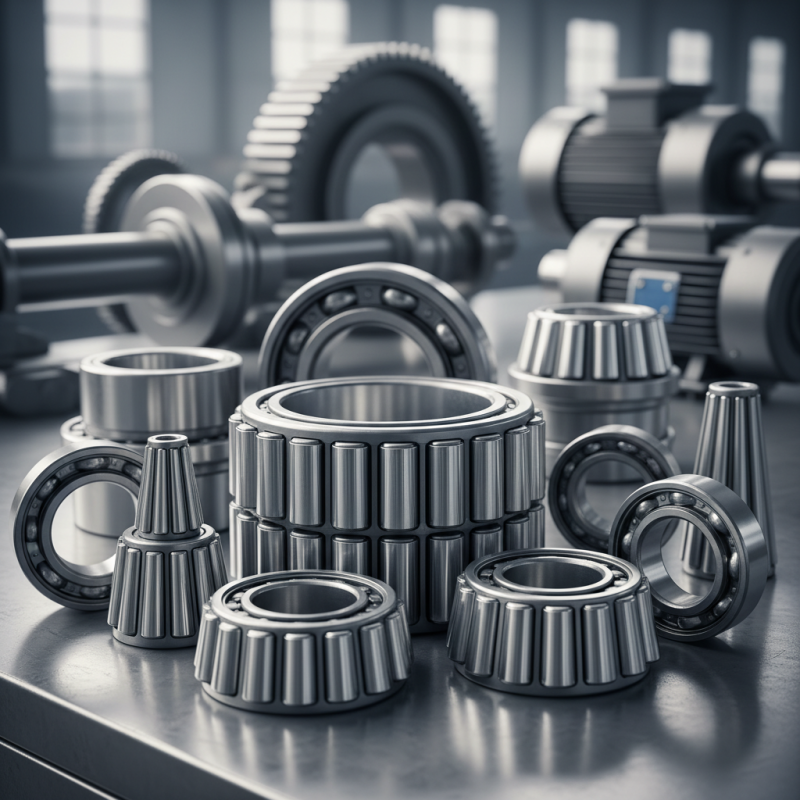
These bearings come in various designs, including cylindrical and tapered shapes. Each type serves a specific purpose depending on the machinery's application. For instance, cylindrical bearings are often used in heavy machinery, where high load capacity is essential. Several studies indicate that machines with appropriate roller bearings experience a 30% decrease in energy consumption.

However, it is essential to choose the right type of bearing for specific applications. A mismatch may lead to premature failure or increased maintenance costs. For instance, using a bearing meant for light loads in heavy-duty equipment can lead to significant issues. This choice highlights the importance of expertise in selecting the right bearings. Proper installation and maintenance practices also play a critical role in ensuring optimal performance.
The Role of Roller Bearings in Reducing Friction and Wear

Roller bearings play a pivotal role in reducing friction and wear in machinery. Their design allows for smooth rotation, which minimizes energy loss. According to recent industry reports, roller bearings can decrease friction by up to 30%. This significant reduction contributes to enhanced machinery performance and longevity.

When machinery operates with less friction, wear on moving parts is considerably reduced. Research shows that using roller bearings can extend equipment life by as much as 50%. This longevity not only saves on replacement costs but also improves uptime. Industries that rely heavily on machinery, like manufacturing and automotive, benefit greatly from these efficiencies.

However, not all roller bearings are equal. Proper selection and maintenance are crucial. The wrong type can increase friction instead of reducing it. Regular inspections are necessary to ensure optimal performance. Addressing these factors can lead to more efficient operations and better overall results.

Types of Roller Bearings and Their Specific Applications

Roller bearings play a significant role in machinery performance, allowing for smoother operation and reducing friction. There are various types of roller bearings, each designed for specific applications. Spherical roller bearings are ideal for heavy-load machinery, as they can accommodate misalignment. They are often used in construction equipment and mining machinery.

Cylindrical roller bearings, on the other hand, excel in high-speed applications. They are commonly found in electric motors and gearboxes. This type provides excellent radial load capacity, making it a reliable choice for dynamic conditions. Needle roller bearings are compact and used in applications where space is a constraint, such as automotive transmissions.

**Tips:** Regularly inspect roller bearings for signs of wear. Listen for unusual noises during operation. Replace any bearing that shows signs of deterioration to maintain efficiency. Consider the load conditions when selecting a bearing type. This choice directly impacts your machinery's performance and lifespan.

Why Are Roller Bearings Essential for Efficient Machinery Performance? - Types of Roller Bearings and Their Specific Applications

Type of Roller Bearing Description Common Applications Load Capacity
Cylindrical Roller Bearings Designed to handle heavy radial loads and moderate axial loads. Motors, Gearboxes, and Construction Equipment High load capacity up to 480 kN
Tapered Roller Bearings Able to support both radial and axial loads effectively. Automotive Axles, Gear Drives, and Railway Trailers Load capacity ranges from 60 kN to over 200 kN
Spherical Roller Bearings Designed to accommodate misalignment and heavy radial loads. Mining Equipment, Industrial Gearboxes, and Wind Turbines Can handle loads exceeding 600 kN
Needle Roller Bearings Very lightweight, designed for radial loads with a small cross-section. Compact Spaces, Motorcycles, and Measurement Tools Load capacity up to 200 kN

Factors Influencing the Performance of Roller Bearings

Roller bearings are crucial components in machinery. Their design allows them to handle both radial and axial loads efficiently. Several factors can influence the performance of these bearings. The material used in their construction plays a significant role. High-quality steel or ceramic can enhance durability and reduce friction.

Lubrication is another critical aspect. Proper lubrication minimizes wear and heat generation. Regular maintenance checks should be conducted to ensure optimal lubricant levels. Dust and contaminants can also significantly hinder performance. It's advisable to keep the bearings clean to prolong their lifespan.

Tips: Consider using seals or shields to protect roller bearings from dirt. This simple measure can increase their efficiency. Additionally, monitor temperature fluctuations in machinery regularly. Elevated temperatures can indicate potential failures. Addressing these issues early can save time and costs in the long run.

Maintenance Practices for Ensuring Roller Bearings Efficiency

Why Are Roller Bearings Essential for Efficient Machinery Performance?

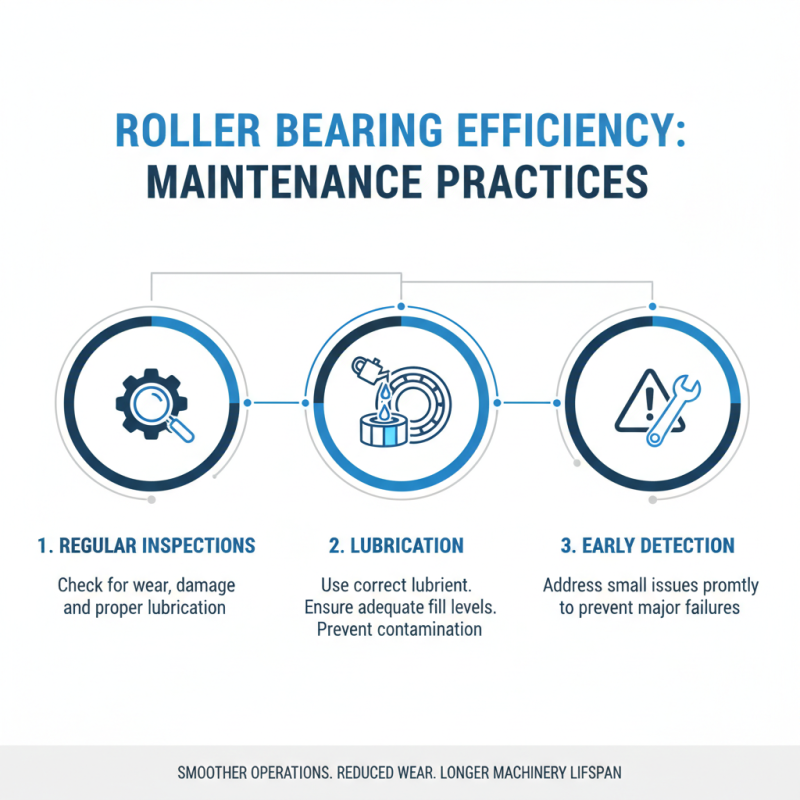
Roller bearings play a vital role in machinery, ensuring smoother operations and reducing wear. However, their efficiency greatly depends on proper maintenance practices. Regular inspections are crucial. Check for any signs of wear or damage. A small issue can lead to significant problems.

One effective tip is to maintain proper lubrication. Insufficient lubrication can increase friction. Regularly apply the appropriate lubricant as needed. Over-lubrication can also cause issues. It's essential to find the right balance.

Another important aspect is monitoring operating temperatures. Excess heat may indicate a problem. Use temperature sensors if possible. This practice can help catch issues early. Always stay vigilant.

End-users often overlook minor signs of trouble. Small vibrations or noises might seem insignificant. Yet, they can indicate deeper issues. Regularly assess these factors to ensure long-lasting performance. Embrace a proactive approach to maintenance, and your machinery will perform efficiently for years.