Top 5 Tips for Choosing the Right Pillow Block Flange Bearing?
Choosing the right Pillow Block Flange Bearing is crucial for optimizing machinery performance. A well-selected bearing ensures smooth operations, reducing wear and tear. However, many overlook important factors when making this choice. The right bearing can greatly affect the longevity of your equipment.
Quality should be a top priority. Not all Pillow Block Flange Bearings are created equal. The material and design play significant roles in durability and functionality. While cheaper options may seem tempting, they often lead to failures. This can disrupt operations and incur unexpected costs.
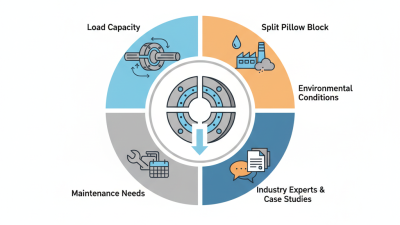
Understanding specific application requirements is essential. Consider load capacity, environmental conditions, and alignment issues. Sometimes, personal experience can guide your choice. However, relying solely on past experiences can be misleading. Seek expert advice to mitigate risks. The right Pillow Block Flange Bearing can transform your machinery's efficiency, but the choice requires careful thought.
Understanding Pillow Block Flange Bearings and Their Applications
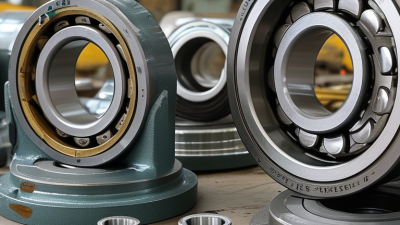
Pillow block flange bearings are essential components in various machinery. They provide support to rotating shafts, ensuring smooth operations. Their design includes a housing that keeps the shaft stable, reducing wear and tear. These bearings are widely used in conveyor systems, agricultural equipment, and manufacturing machines.
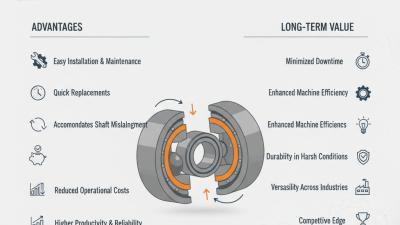
Understanding their applications is crucial. In a conveyor system, for example, pillow block bearings allow for reliable movement of materials. They help minimize misalignment issues, leading to enhanced efficiency. Furthermore, the choice of materials in these bearings affects their durability. Typically, they are made from high-quality steel or composite materials. This choice impacts both performance and longevity.
However, selecting the right pillow block bearing isn't always straightforward. Users often face challenges regarding size and load capacity. Misjudgments here can lead to premature failure. It’s important to consider environmental factors, such as temperature and moisture, which may influence bearing performance. Investing time in understanding the specific application will yield better efficiency and reliability.
Top 5 Tips for Choosing the Right Pillow Block Flange Bearing
| Tip |
Description |
Application |
Material |
| 1. Assess Load Requirements |
Determine the axial and radial load the bearing will handle. |
Heavy machinery, conveyor systems |
Steel, stainless steel |
| 2. Consider Environmental Conditions |
Evaluate temperature, humidity, and exposure to chemicals. |
Food processing, outdoor applications |
Corrosion-resistant materials |
| 3. Check for Lubrication Options |
Choose between grease or oil lubricated bearings based on maintenance preferences. |
Automotive, industrial equipment |
Polymer, metal |
| 4. Evaluate Mounting Requirements |
Ensure compatibility with existing mounting hardware and setup. |
Conveyor systems, HVAC units |
Aluminum, cast iron |
| 5. Review Speed Ratings |
Check the RPM rating to ensure it matches operational speeds. |
Electric motors, fans |
Bronze, plastic |
Identifying Key Specifications for Optimal Performance
When selecting a pillow block flange bearing, key specifications greatly influence performance. Focus on the load capacity, as it determines how much weight the bearing can support. Neglecting this factor can lead to premature failure. Also, consider the speed rating. Each bearing has a specific limit, and exceeding it can result in irregular wear.
Material choice is critical too. Bearings made from durable materials outperform others in harsh environments. Steel and composite materials offer different benefits, so evaluate based on your application needs. Additionally, pay attention to the mounting dimensions. Misalignment can cause vibration, impacting longevity.
Finally, don't overlook lubrication requirements. Some bearings are self-lubricating, while others need regular maintenance. Understand your maintenance capabilities before choosing. Remember, a small oversight in these details may lead to bigger problems in the long run. Take the time to thoroughly assess your options for optimal performance.
Evaluating Material Options for Durability and Efficiency
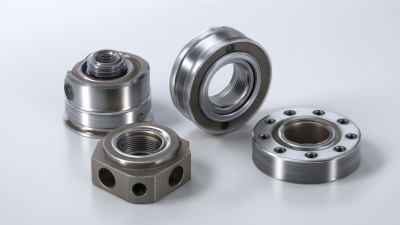
Choosing the right pillow block flange bearing starts with understanding the materials used. The most common materials include cast iron, steel, and thermoplastics. Each offers different levels of durability and efficiency. For example, cast iron provides high strength and good wear resistance. It can withstand heavy loads and harsh environments. However, it may not be the best choice for applications that require lightweight components.
Steel bearings are another option. They offer excellent strength and impact resistance. However, they can be prone to corrosion if not properly treated. On the other hand, thermoplastic bearings are lighter and resistant to chemicals. They perform well in less demanding situations. Understanding your application’s requirements is key to making the right choice.
Durability and efficiency come with trade-offs. Selecting a material that is too soft may lead to premature wear. Conversely, choosing a stronger, heavier material can add unnecessary weight and cost to your project. Evaluation of the specific conditions—such as load, speed, and environmental factors—is crucial. This will help you strike the right balance between longevity and performance.
Top 5 Tips for Choosing the Right Pillow Block Flange Bearing
Considering Mounting Types for Installation Flexibility
Selecting the right pillow block flange bearing can significantly influence equipment performance. When considering mounting types, installation flexibility is crucial. Different mounting options can accommodate various operational environments and alignments, leading to enhanced efficiency.
Many professionals opt for top-mounted configurations due to their ease of access. However, side-mounted types offer unique advantages. They allow for tighter spaces and easier maintenance. According to industry reports, approximately 40% of maintenance issues stem from improper alignment during installation. This highlights the importance of selecting the right mounting type.
Regular evaluation of the installation conditions is necessary. Changes in load, temperature, or vibrations can impact performance over time. An adaptable approach is vital for sustaining long-term reliability. Utilizing adjustable flanges can cater to these shifts, but they may not always provide a perfect fit. It's essential to assess potential misalignments that could arise. Ultimately, understanding and anticipating the unique demands of your application is essential for optimal performance.
Analyzing Cost vs. Quality for Budget-Conscious Choices
When selecting a pillow block flange bearing, cost versus quality significantly impacts decision-making. Budget-conscious buyers often lean towards cheaper options. However, this can lead to increased maintenance costs and shorter lifespans. According to a study by the International Journal of Engineering Research, low-cost bearings can fail up to 30% sooner than higher quality alternatives in industrial applications.
In contrast, investing in quality pillow block flange bearings can enhance operational efficiency. A report from Machinery Lubrication suggests that using higher-grade materials can improve load capacity and reduce downtime. For instance, bearings made from stainless steel often outperform those made from standard alloy in durability and corrosion resistance. Generally, the initial higher expense is offset by reduced replacement and repair costs over time.
Choosing the right design is also crucial. The bearing's load rating must match the intended application. While it might be tempting to opt for a generic design, a tailored solution often yields better performance. A proper analysis can uncover hidden costs linked to inadequate specifications. Thoughtful selection requires weighing benefits against potential setbacks.