Top 10 Cast Steel Block Bearings You Need for Your Business?
In the competitive industrial landscape, selecting the right components is crucial for success. Cast Steel Block Bearings serve as essential components in various machinery, ensuring smooth operations and longevity. According to industry expert John Thompson, “The right bearing choice can significantly enhance productivity and reduce maintenance costs.” His insight underscores the importance of informed decisions in selecting Cast Steel Block Bearings.
Featuring durability and strength, Cast Steel Block Bearings provide stability in demanding applications. Businesses often overlook their impact on overall performance. High-quality bearings can lead to reduced downtime and increased efficiency. However, not all bearings are created equal. It’s essential to evaluate options carefully to identify the top performers in the market.
Testing and feedback reveal that some Cast Steel Block Bearings may underperform in specific situations. This variability can lead to costly errors. Companies must commit to thorough research and testing. Relying on expert opinions and user reviews can guide better choices. Proper selection can transform operational capabilities, making these bearings a vital consideration for any business striving for excellence.
Overview of Cast Steel Block Bearings and Their Applications
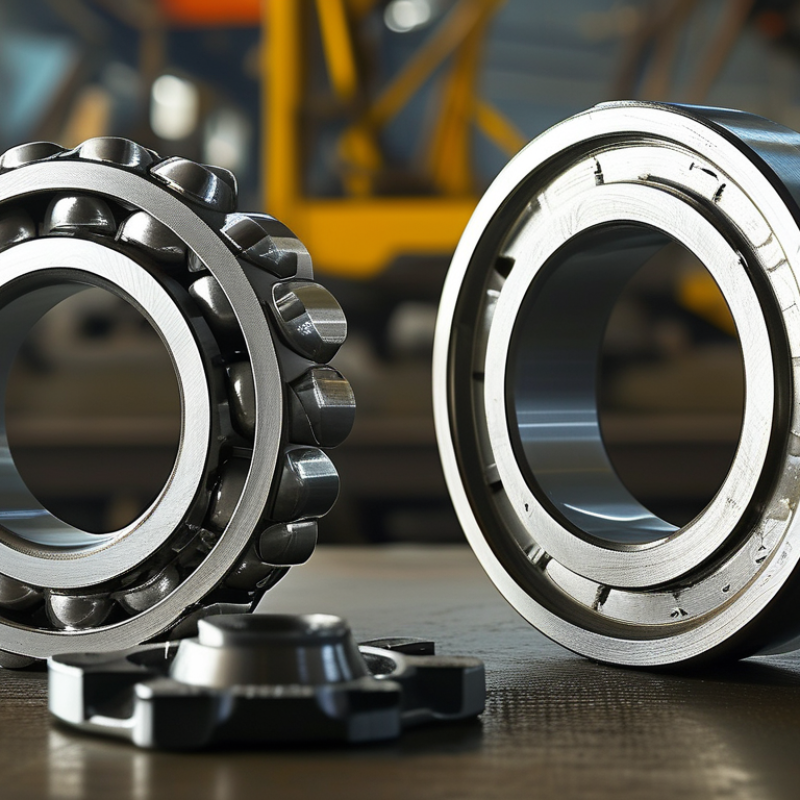
Cast steel block bearings are essential components in various industrial applications. They provide reliable support for rotating shafts and help reduce friction. According to a recent industry report, the global cast steel bearing market is projected to grow at a CAGR of 4.5% from 2021 to 2028, underscoring their importance across multiple sectors.
These bearings excel in heavy-duty settings, such as construction and agricultural machinery. Their design allows for high load capacity, making them suitable for harsh environments. However, improper maintenance can lead to premature wear and failures. Regular inspections are necessary to ensure longevity. Experts recommend checking alignment and lubrication intervals to mitigate risks.
With their versatility, cast steel block bearings serve crucial roles in conveyor systems and mining operations. They are built to withstand extreme temperatures and pressures. While their durability is notable, users should be aware of potential corrosion issues in certain applications. Assessing the specific requirements of each task is vital for optimal performance.
Top 10 Cast Steel Block Bearings for Your Business
Key Features to Consider When Selecting Cast Steel Block Bearings
When selecting cast steel block bearings, several key features warrant close attention. The material itself is crucial. Cast steel offers durability and strength, making it suitable for various industrial applications. Look for bearings that provide excellent corrosion resistance, as this extends their lifespan in harsh environments.
Another important aspect is load capacity. Different applications demand different load-bearing abilities. Ensure that the selected bearings can withstand the required loads without excessive wear. Consider the type of lubrication as well. Some bearings require regular maintenance, while others are designed for minimal upkeep. This can affect overall operational efficiency.
Pay attention to installation ease. Complicated setups can lead to delays and increased labor costs. Precision in manufacturing is vital, as misalignments can result in failure and costly downtime. Lastly, think about cost-effectiveness. While cheaper options may seem attractive, they may lead to higher replacement costs later. Reflect on these features critically to ensure optimal performance in your operation.
Top 10 Cast Steel Block Bearings Based on Performance and Reliability
When selecting cast steel block bearings, performance and reliability are crucial. These components significantly impact machinery efficiency and longevity. High-quality bearings can reduce friction, enhance load capacity, and withstand harsh conditions. Not all bearings are created equal, so it's essential to assess their specific performance metrics.
Different bearing designs cater to various applications. Some may excel in heavy-duty environments, while others are ideal for precision tasks. Understanding your operational needs is vital. There can be trade-offs between durability and speed. Regular maintenance also plays a role in reliability. Even the best bearings may falter if not properly cared for.
It's worth noting that not every bearing will meet expectations. Some users find that certain models wear out faster than anticipated. Inconsistent performance can be frustrating. Always review performance data and choose based on real-world usage. Investing in the right cast steel block bearings can result in significant operational gains, but thorough research is necessary.
Comparative Analysis of Leading Brands in Cast Steel Block Bearings
When selecting cast steel block bearings, it's essential to analyze the leading options available in the market. A comparative analysis reveals significant differences in performance, durability, and maintenance requirements. For instance, some brands focus on high load capacity, making them ideal for heavy equipment. Others prioritize resistance to corrosion, suitable for outdoor applications.
Understanding your specific needs will help you make the right choice. Look for bearings that offer easy installation and replacement. A design that minimizes friction can enhance efficiency and reduce wear over time. Observe the material quality; higher-grade steel often leads to increased longevity.
When evaluating different brands, consider the warranty and customer service they provide. This aspect can be a deciding factor during your decision-making process. Some manufacturers may excel in technical support, while others might lag in responsiveness. It’s crucial to gather insights from existing users. Reading reviews and testimonials can guide your understanding.
It’s also important to monitor the performance of your selected bearings regularly. Frequent checks can reveal any issues early on. Addressing them promptly can prevent larger operational problems down the line. Adjustments may be necessary, based on the specific operating environment and load conditions. Regular reflection on your choices will improve your overall setup.
Maintenance Tips for Longevity of Cast Steel Block Bearings
Maintaining cast steel block bearings is essential for maximizing their lifespan and ensuring reliable performance. Regular inspection is crucial. Look for signs of wear, rust, or damage. Occasionally, you might miss these indicators, leading to more significant issues later. It's good practice to schedule routine checks to catch potential problems early.
Lubrication is key to the longevity of these bearings. Use the right type of lubricant as per manufacturer specifications. Over-lubrication or using the wrong grease can cause more harm than good. Take your time to understand the unique needs of your machinery. After all, neglecting this aspect might reduce efficiency and cause unnecessary breakdowns.
Keep the bearings clean and free from debris. Dust and particles can accelerate wear and tear. Implement a cleaning routine, especially in dusty environments. Remember, proactive measures can save time and money in the long run. However, it's easy to overlook these small tasks. A small investment in maintenance yields significant returns in the form of extended bearing life.