Top 10 Rolling Bearings Suppliers in China for Global Buyers?
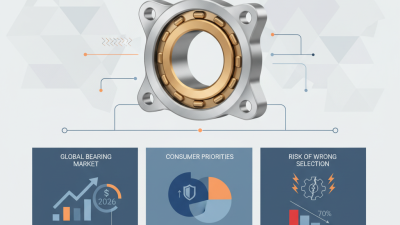
In the global market, the demand for high-quality rolling bearings continues to rise. As industries evolve, the shift towards automation and precision engineering is influencing this sector rapidly. Reports show that the global rolling bearing market is expected to reach $70 billion by 2027, growing at a CAGR of around 5% from 2020. China, as a manufacturing powerhouse, plays a critical role in supplying these crucial components.
The leading rolling bearing suppliers in China are known for their innovative technology and competitive pricing. Their products find applications across various sectors, including automotive, aerospace, and manufacturing. However, the diversity in quality among suppliers can be troubling for global buyers. It is vital to choose suppliers with a proven track record of reliability and expertise. Many smaller firms struggle to meet international standards, drawing attention to the need for thorough research before procurement.
Understanding the landscape of rolling bearing suppliers in China provides invaluable insights. As market dynamics continue to shift, buyers must stay informed about the evolving capabilities of these manufacturers. With careful evaluation, companies can find the right partners to enhance their operations.
Overview of the Rolling Bearings Market in China
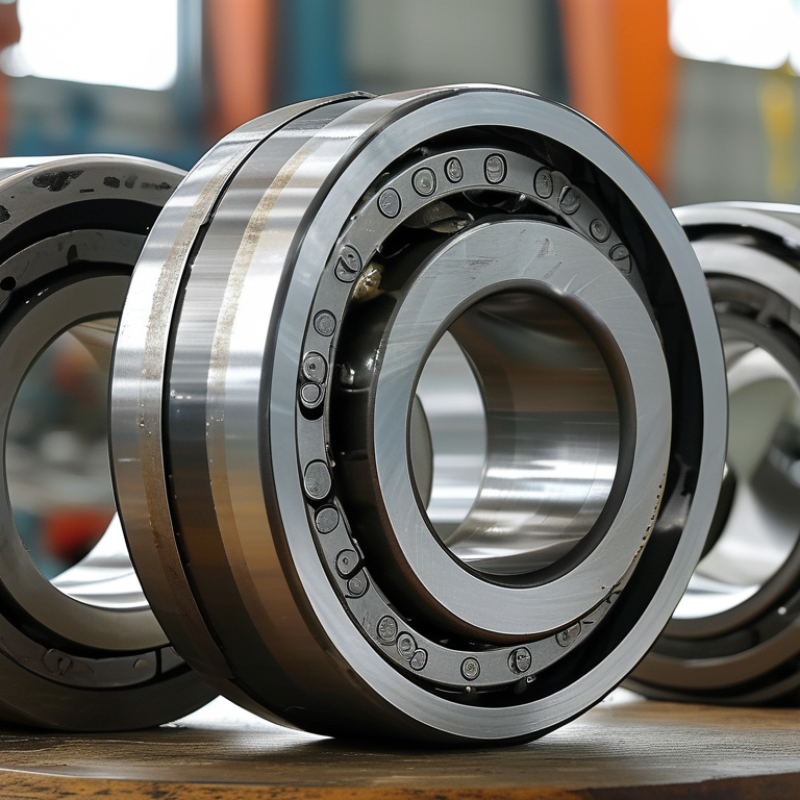
The rolling bearings market in China is a vital segment in the global supply chain. In recent years, it has witnessed steady growth due to increasing industrialization. According to a market research report, the Chinese rolling bearings market reached an estimated USD 16 billion in 2022. This growth is attributed to heightened demand from automotive and manufacturing sectors.
China stands as a major player in the production of rolling bearings, contributing to over 30% of the global output. The country’s production capabilities are impressive, but challenges persist. Issues like raw material costs and environmental regulations impact production efficiency. Additionally, some local manufacturers struggle to meet international quality standards, which can affect competitiveness.
Market forecasts predict a compound annual growth rate (CAGR) of 6% for the rolling bearings industry through 2025. This figure highlights the potential for growth but also underscores the need for continual improvements in technology and processes. Despite the promising outlook, companies must navigate a complex landscape to maintain reliability and quality. Only by addressing these challenges can they sustain growth in the rapidly evolving market.
Top 10 Rolling Bearings Suppliers in China for Global Buyers
| Supplier Rank |
Annual Revenue (USD Millions) |
Market Share (%) |
Main Products |
Export Markets |
| 1 |
500 |
15% |
Ball Bearings, Roller Bearings |
North America, Europe |
| 2 |
450 |
12% |
Tapered Bearings |
Asia, South America |
| 3 |
400 |
10% |
Spherical Bearings |
Middle East, Africa |
| 4 |
350 |
9% |
Needle Bearings |
Australia, New Zealand |
| 5 |
320 |
8% |
Self-aligning Bearings |
Russia, Central Asia |
| 6 |
300 |
7% |
Coated Bearings |
Latin America, Caribbean |
| 7 |
250 |
6% |
Ball Screw Bearings |
Europe, North Africa |
| 8 |
200 |
5% |
Linear Bearings |
America, Asia |
| 9 |
150 |
4% |
Thrust Bearings |
South America, Korea |
| 10 |
120 |
3% |
High-Speed Bearings |
Europe, USA |
Criteria for Selecting Top Rolling Bearings Suppliers
When selecting rolling bearing suppliers, several key criteria come into play. Experience in the industry is crucial. A supplier with years of practice often indicates reliability. Their track record in manufacturing quality bearings matters significantly. Advanced production techniques contribute to the longevity and performance of their products.
Expertise in various applications is another important factor. A supplier should understand diverse industries, from automotive to aerospace. This knowledge helps them offer tailored solutions that meet specific requirements. Furthermore, certifications and quality control processes showcase their commitment to excellence.
However, it’s essential to reflect on the supplier’s customer service. A quick response to inquiries can indicate good support. Yet, some suppliers may falter in consistent communication. Also, consider the geographic location. Proximity can impact shipping times and costs. Evaluating these factors will help in making a well-informed choice.
List of Leading Rolling Bearings Suppliers in China
When it comes to sourcing rolling bearings, China stands out as a leading supplier. The country boasts numerous manufacturers, each specializing in different types of bearings. These suppliers cater to various industries, including automotive, aerospace, and heavy machinery. The diverse options available make it crucial for global buyers to understand the market dynamics.
Evaluating the reliability of suppliers is key. Look for companies that have a history of quality control and customer satisfaction. Many suppliers in China have established protocols for testing their products. Buyers should consider suppliers with modern facilities and experienced personnel. This can enhance trust and ensure consistent quality.
Always check for certifications. Reputable manufacturers will have ISO or similar certifications. This indicates compliance with industry standards. Communication is also essential. Establishing clear channels with suppliers can prevent misunderstandings and delays. Inquire about lead times and payment terms upfront.
Buying rolling bearings can be complex. Take your time to research potential suppliers. Engage with industry reviews and ask for samples when possible. Inconsistent information is common, so cross-reference details. This helps in making an informed decision that aligns with your project needs.
Analysis of Supplier Strengths and Specializations
When sourcing rolling bearings, understanding supplier strengths is vital. Various manufacturers in China offer specialized products. Some focus on high-performance bearings for demanding applications. Others excel in cost-effective solutions for general use. These distinctions help buyers select suppliers that match their project needs.
One notable trend is the incorporation of advanced technology. Suppliers invest in automation and robotics to enhance production efficiency. This leads to improved consistency in product quality. However, some manufacturers still rely on outdated processes. This inconsistency can impact reliability and performance. Buyers must evaluate these factors carefully.
Establishing a solid relationship with suppliers is beneficial. Communication plays a crucial role in ensuring quality and timeliness. Always request samples before making bulk purchases. This helps in assessing the product's fit for your requirements. Regularly review supplier performance to maintain standards. Even trustworthy suppliers may face challenges, so ongoing evaluation is key.
Top 10 Rolling Bearings Suppliers in China - Analysis of Supplier Strengths
Trends and Future Outlook for Rolling Bearings Industry in China
The rolling bearings industry in China is experiencing notable trends that point to a promising future. Increased automation in manufacturing is driving demand for high-quality bearings. Companies are investing in advanced technologies to enhance production efficiency. This shift results in lower costs and improved product performance. Innovation remains a crucial part of growth, with many manufacturers focusing on research and development.
Sustainability is another significant focus. The industry is gradually adopting eco-friendly materials and processes. This change is essential for meeting global standards and consumer expectations. Nonetheless, the transition is not without challenges. Companies often struggle to balance cost and sustainability. Many firms need to reassess their supply chain strategies.
Market consolidation is also impacting the landscape. Larger players are acquiring smaller firms to enhance their market share. This trend can create a perception of decreased competition. However, it also means that leading companies can provide more reliable products. Industry experts warn that smaller firms might struggle to keep up. The evolving dynamics present both opportunities and obstacles for all stakeholders involved.